
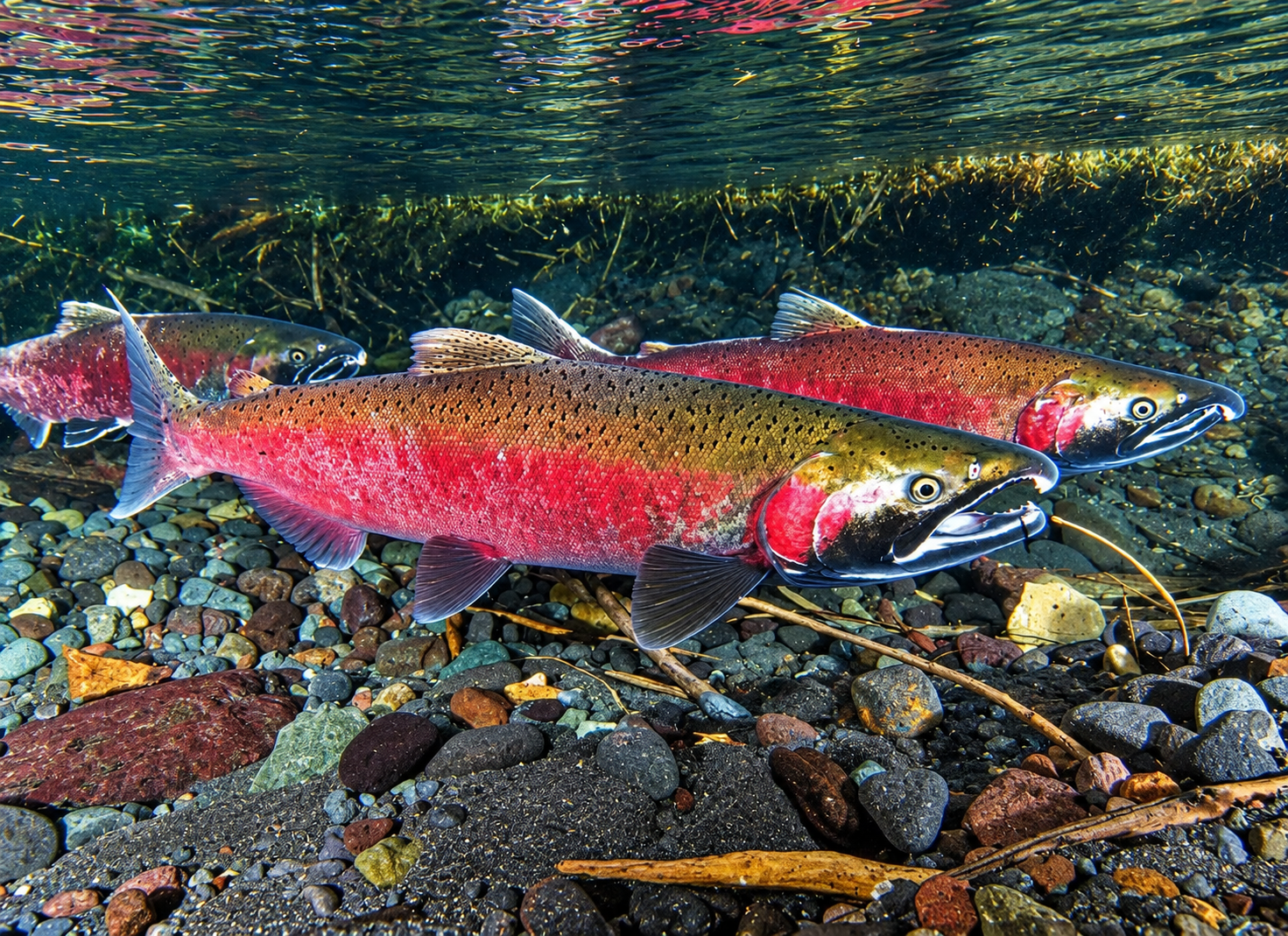
The Washington Department of Fish and Wildlife (WDFW) has officially closed all recreational salmon fishing across Lake Washington, effective immediately. State biologists instituted the emergency rule change after receiving critical in-season data showing that returning Coho salmon numbers fall significantly short of pre-season expectations. The complete ban aims to protect migrating salmon as they head toward local spawning grounds, ensuring that regional conservation goals and fish hatchery operations remain viable.
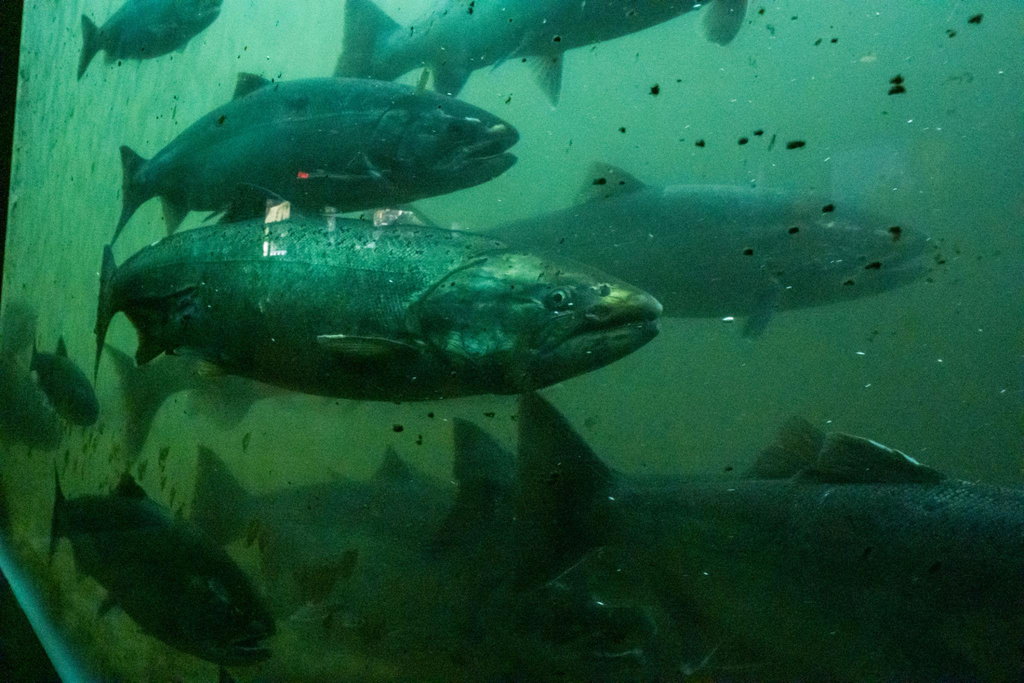
The sudden policy shift comes as biological surveys reveal a sharper-than-expected decline in Coho salmon migrating through Puget Sound into the Lake Washington and Lake Sammamish watershed. According to official statements from the WDFW, in-season fishery counts collected at the Hiram M. Chittenden Locks (Ballard Locks) indicate that the 2026 Coho return is tracking far below pre-season forecasts. State wildlife managers emphasized that halting harvest immediately is vital to ensure that enough adult salmon survive to hit natural spawning escapement goals and fulfill critical hatchery broodstock requirements across local tributaries.
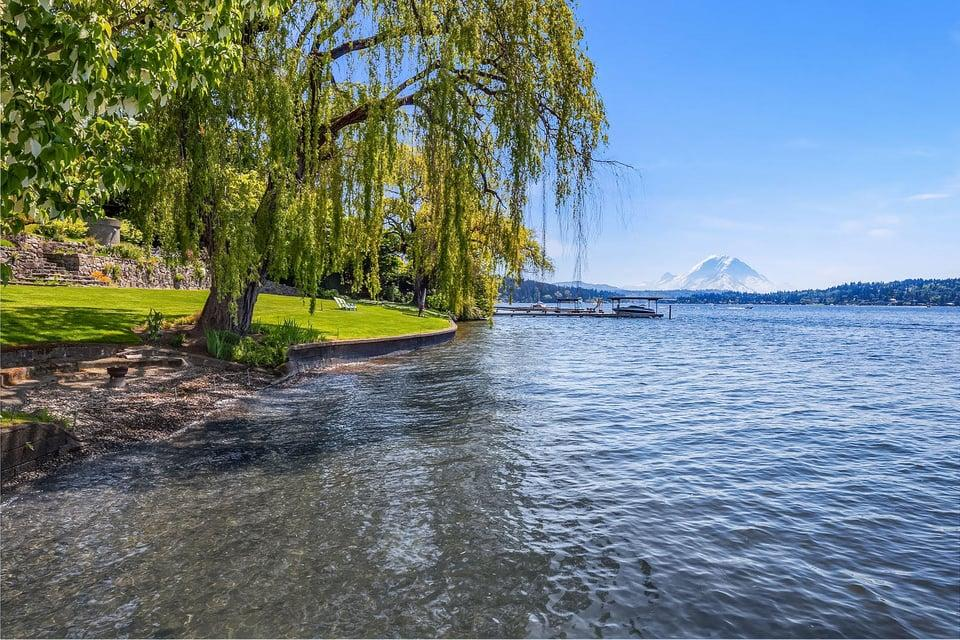
The emergency closure encompasses several major interconnected water bodies throughout the Seattle metro area. Specifically, all salmon fishing is prohibited in Lake Washington north of the State Route 520 (Albert D. Rosellini Evergreen Point) Floating Bridge and east of the Montlake Bridge. Additionally, the restriction extends into the Sammamish River, covering the section downstream from the NE 116th Street Bridge to the river’s mouth. Anglers planning to fish nearby waters are strongly encouraged to consult the FishWA mobile application or check online WDFW emergency updates before casting line, as boundary lines are strictly monitored.
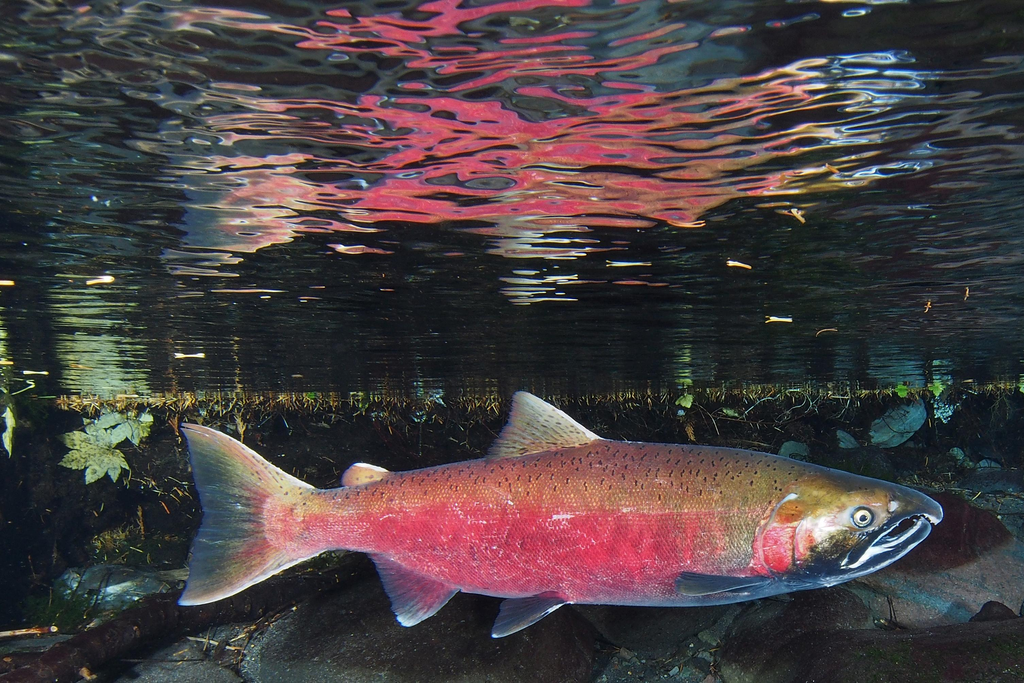
Coho salmon face an uphill battle during their fall upstream migration due to shifting environmental factors, warmer water temperatures, and urban runoff challenges across the Puget Sound basin. When returning runs experience sudden drop-offs, unharvested fish become essential to preserve future generations. Biologists rely on these returning runs for natural riverbed spawning as well as artificial propagation at facilities like the Issaquah Salmon Hatchery. Allowing full recreational harvesting during a low-return year risks collapsing future run cycles, making conservative management actions essential for long-term ecological balance.
Check Out Our Post on Instagram: