

The final whistle has blown, the fans have returned home, and Seattle’s unforgettable journey as a 2026 FIFA World Cup host city has officially come to an end. Over the course of several weeks, the Emerald City welcomed hundreds of thousands of visitors from around the world, hosted multiple world-class matches at Lumen Field, and showcased its culture, hospitality, and passion for soccer on the global stage. From packed fan festivals and record-breaking transit ridership to electric atmospheres inside and outside the stadium, the tournament became one of the most celebrated events in Seattle’s history and left a lasting impression on residents and international visitors alike.
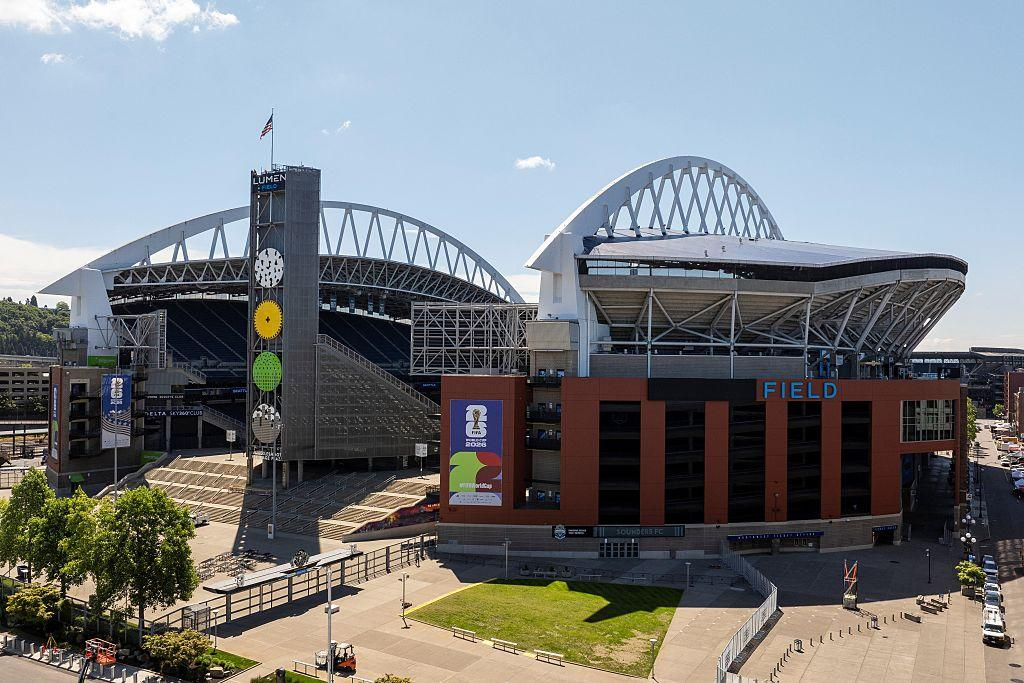
Throughout the tournament, Seattle transformed into one of the world’s premier soccer destinations. Thousands of supporters representing dozens of nations filled downtown streets, restaurants, hotels, and public gathering spaces, creating an atmosphere unlike anything the city had experienced before. Local officials estimated that some matchdays drew crowds rivaling or even surpassing the attendance seen during Seattle’s legendary Seahawks Super Bowl victory parade, making the World Cup one of the largest public events ever held in the city. The economic impact was equally significant. Hotels reported exceptionally high occupancy rates, restaurants experienced record business, and local retailers benefited from the influx of international visitors. Expanded transit service, coordinated public safety operations, and extensive city planning helped Seattle successfully host one of the world’s biggest sporting events while introducing millions of global viewers to the Pacific Northwest.
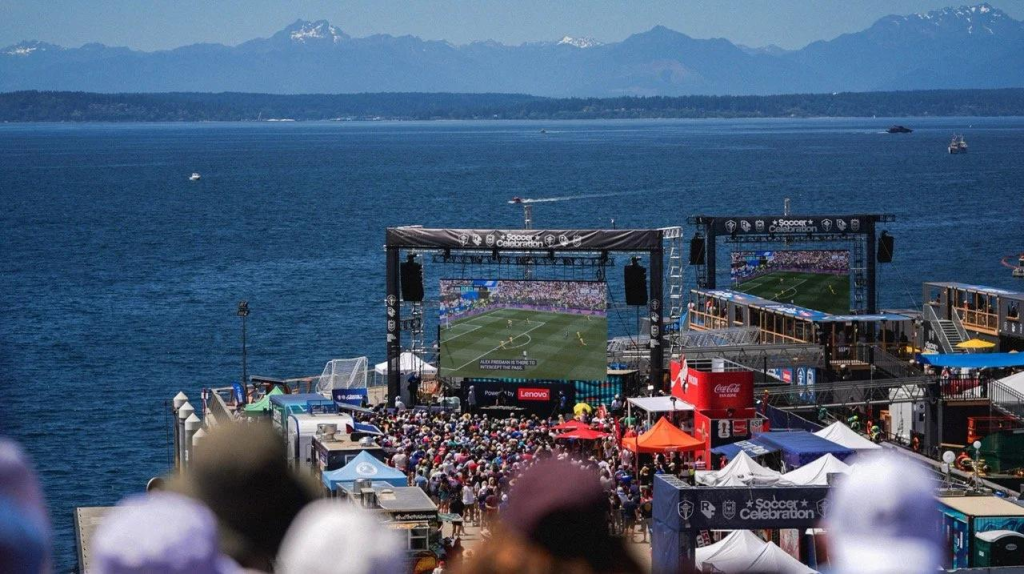
Beyond the action on the pitch, the World Cup united communities across the Seattle region. Fan zones welcomed families, cultural performances celebrated the diversity of participating nations, and youth soccer programs gained renewed attention as excitement surrounding the sport reached new heights. The tournament also highlighted Seattle’s ability to host major international events, with city agencies, volunteers, transportation providers, and local businesses working together to deliver a memorable experience for visitors from around the globe. While challenges such as traffic congestion and large-scale event logistics accompanied the celebration, the overall success of the tournament reinforced Seattle’s reputation as one of North America’s leading sports cities and demonstrated its readiness to host future international events.
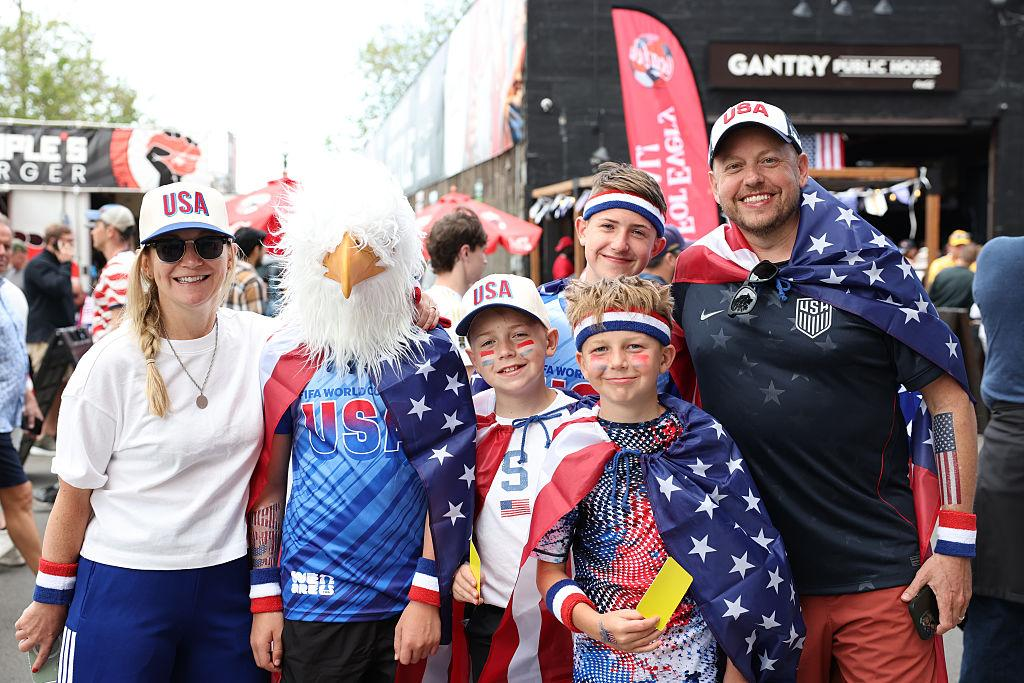
Although the matches have ended, the impact of the 2026 World Cup will continue to shape Seattle for years to come. The tournament delivered lasting investments in transportation, stadium infrastructure, tourism, and community engagement while inspiring a new generation of soccer fans throughout the Pacific Northwest. It also strengthened Seattle’s international profile, proving that the city can successfully welcome the world for events of historic scale.
For many residents, the 2026 FIFA World Cup was more than just a sporting competition—it was a once-in-a-lifetime celebration that brought people together, energized local neighborhoods, and created memories that will be remembered for decades. As Seattle closes this remarkable chapter, the city leaves the tournament with a renewed sense of pride and a legacy that will forever be part of its history.
Check Out Our Post on Instagram: