
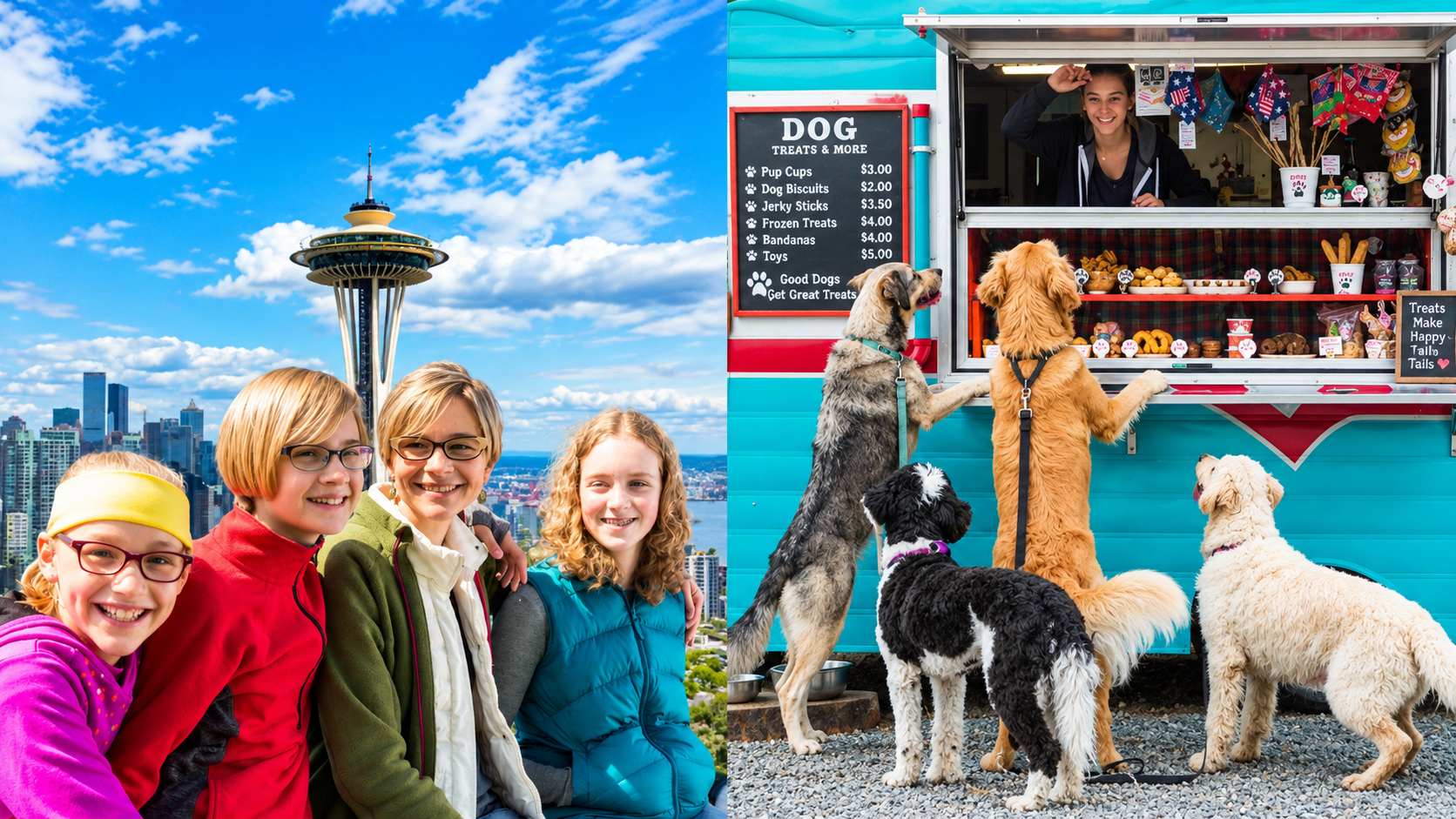
Seattle has long maintained a nationwide reputation as a haven for pet lovers, but recent demographic updates highlight just how dramatic the gap has become. Latest municipal pet licensing records combined with U.S. Census Bureau population statistics reveal that Seattle now houses nearly 75,000 more dogs than human children under the age of 18. Estimating roughly 180,000 canine residents compared to around 105,000 kids, the Emerald City easily maintains one of the highest dog-to-child ratios among major metropolitan areas across North America.
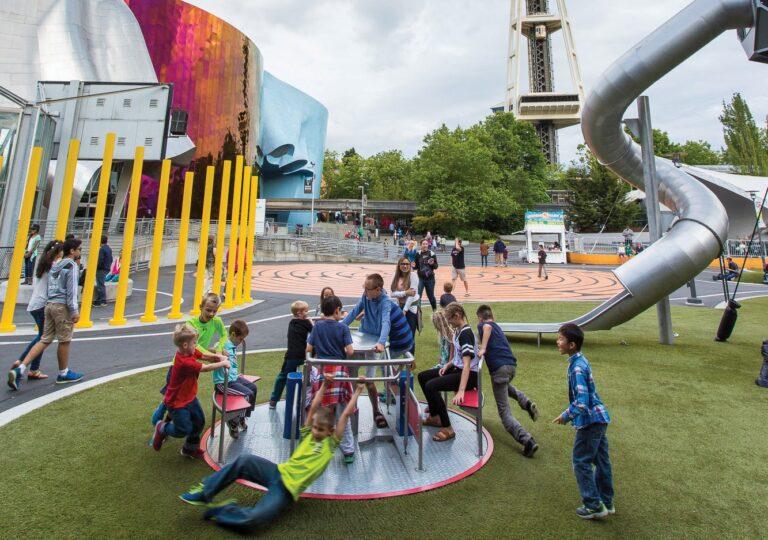
The widening gap reflects broader socio-economic conditions defining Puget Sound’s urban core. A rapidly growing tech workforce, elevated housing costs, and delayed family formation among younger generations have led many young professionals and couples to adopt pets long before or instead of having children. According to demographic researchers, while Seattle’s overall population grew rapidly over the past decade, the percentage of households with young children has remained relatively low compared to other major U.S. cities. Furthermore, high-rise apartment complexes across South Lake Union, Capitol Hill, and Ballard heavily market pet-focused amenities, such as rooftop dog runs and indoor washing stations, to attract young urban tenants.

To accommodate its booming four-legged population, Seattle’s infrastructure has transformed. Seattle Parks and Recreation continues to expand off-leash areas (OLAs) across the city, while local businesses have enthusiastically embraced pet culture. Seattle routinely ranks as one of the most pet-friendly cities in North America, boasting over 150 dog-friendly restaurant patios, specialized doggy bakeries, craft breweries that welcome leashed pups, and mobile veterinary clinics. From neighborhood cafes to outdoor gathering hubs, urban spaces across the city are increasingly engineered around accommodating dogs as core family members.
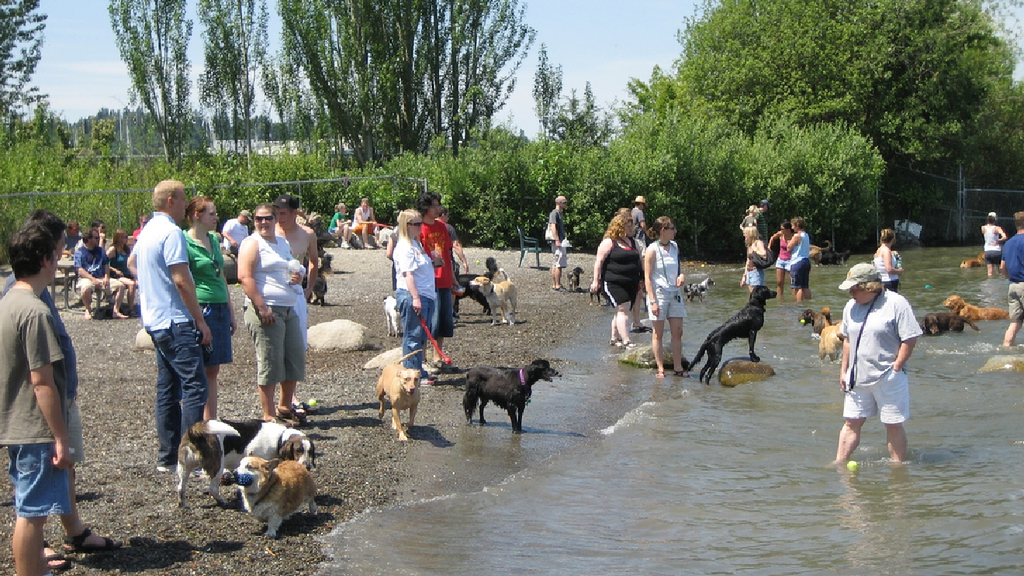
While dog culture thrives across every corner of the city, city planners and community leaders continue monitoring the long-term impact on local schools, park space allocation, and neighborhood planning. Balancing off-leash dog park demands with youth sports fields remains a frequent topic at community council meetings. Nonetheless, for the foreseeable future, Seattle’s vibrant sidewalk culture, misty trail walks, and neighborhood festivals will remain firmly ruled by thousands of tail-wagging residents.
Check Out Our Post on Instagram: