
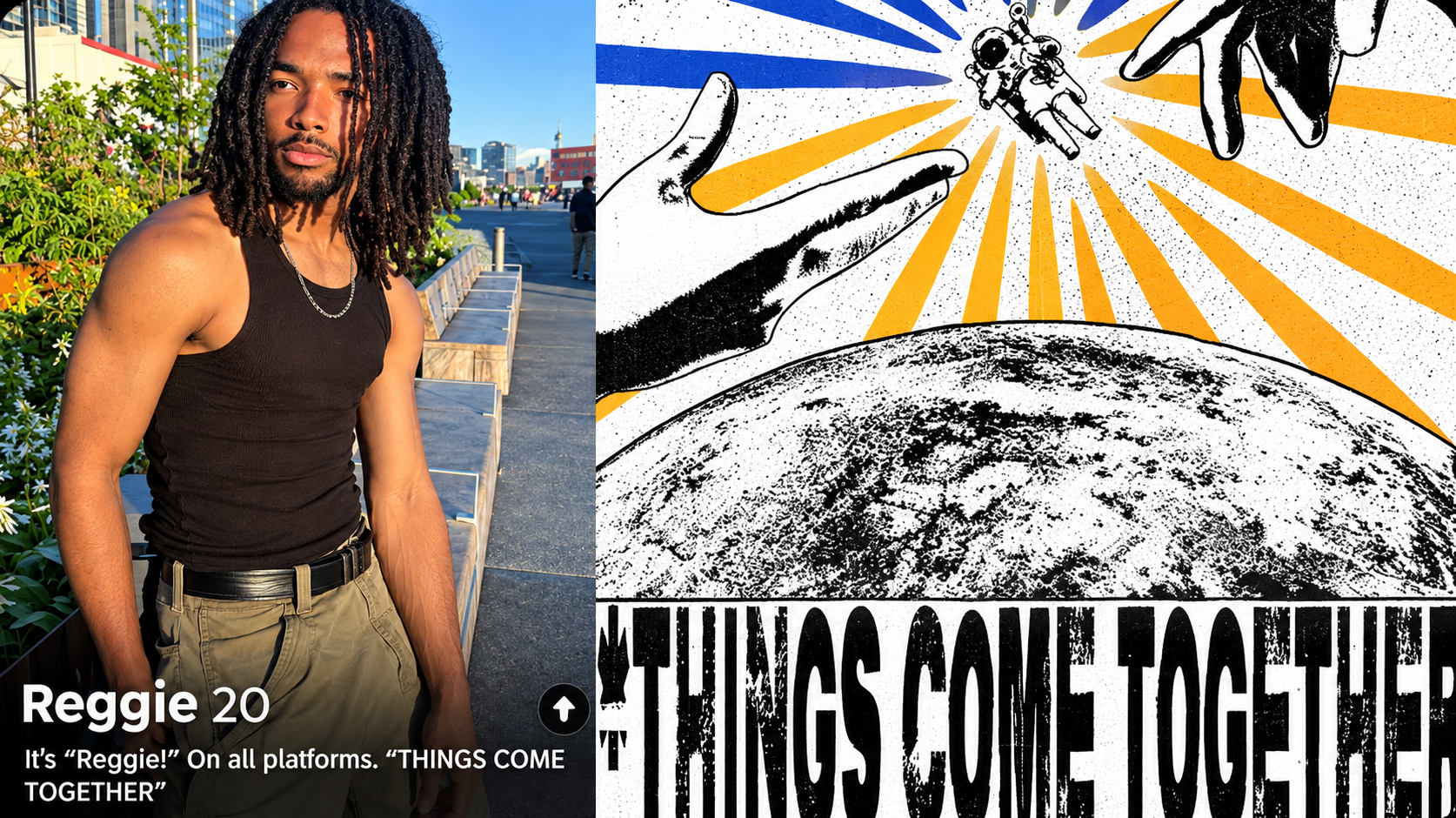
For independent artists, getting attention for a new album has become almost as important as making the music itself. Traditional album rollouts often rely on singles, music videos, social media posts, interviews and live performances. But one Seattle artist has taken a very different approach, using spaces normally associated with dating and personal connections to put the music in front of potential listeners. Instead of limiting the campaign to Instagram, TikTok or streaming platforms, the artist has incorporated dating apps such as Tinder and Bumble into the promotional strategy. The unconventional approach reflects how musicians are increasingly looking beyond traditional music channels to find audiences wherever people are already spending time online.
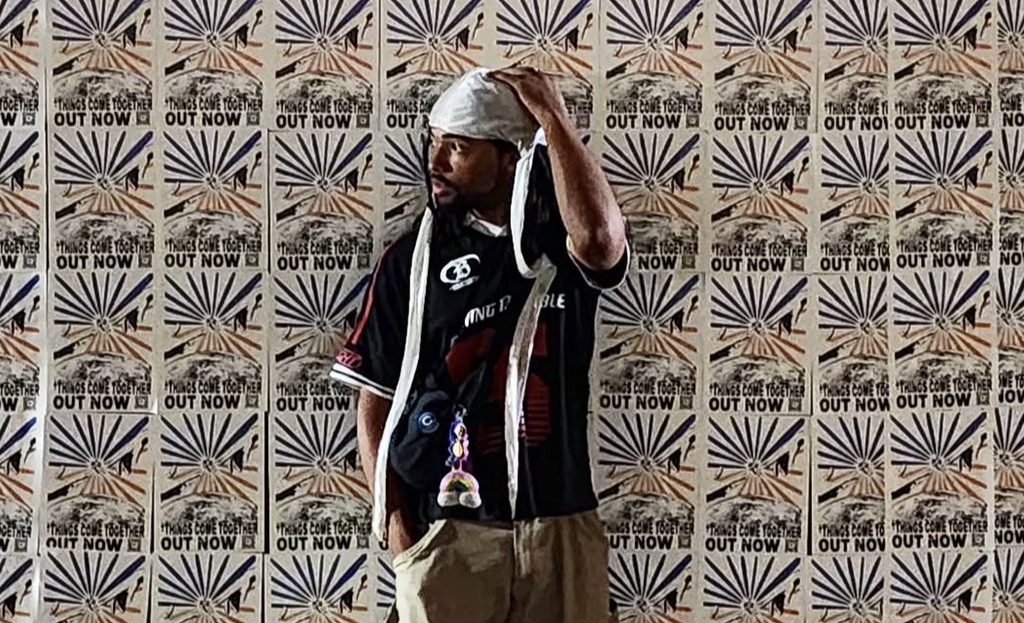
The most unexpected part of the campaign is the decision to use dating apps as a way of getting the album in front of people. Tinder and Bumble are designed primarily around personal connections, conversations and dating, making them an unusual environment for music marketing. But that difference is exactly what makes the strategy stand out. On crowded social platforms, music promotion can easily disappear among thousands of posts, sponsored content and algorithm-driven recommendations. A creative approach on an unexpected platform can create a completely different kind of interaction and give people a reason to stop, look and listen. The idea also fits into a broader shift in how artists approach independent promotion. With musicians now able to record, release and market projects without relying entirely on traditional label campaigns, creativity has become a major part of the rollout itself.
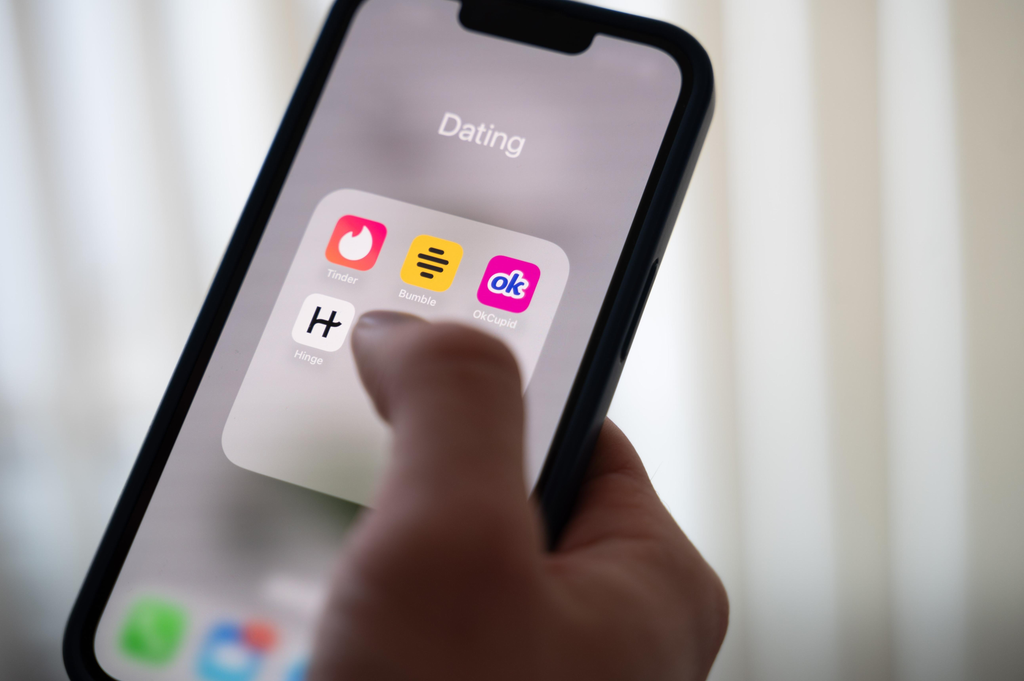
A modern album rollout is no longer simply about announcing a release date. Artists are increasingly creating an entire experience around a project, using unconventional moments to generate curiosity before listeners even press play. That makes a dating-app strategy particularly interesting. The promotion itself becomes something people can talk about, share with friends and remember. Even someone who may not immediately recognize the artist or know the music can become curious because the promotional method feels unexpected. Seattle has a long history of artists developing their own distinctive identities outside mainstream music formulas. The city continues to support independent musicians, recording projects and live performances across a wide range of genres, giving artists room to experiment with how they reach audiences. Seattle’s music ecosystem includes dedicated recording spaces, performance venues and organizations supporting emerging artists.
The unusual rollout says something bigger about the current music industry: artists are no longer restricted to the traditional path of radio, press, record stores and music television to introduce a project. Streaming services have changed how music is consumed, while social platforms have changed how artists build relationships with audiences. For independent musicians, that means the boundary between music promotion and everyday internet culture is becoming increasingly blurred. A dating app, a viral video, a clever social post or an unexpected real-world activation can potentially become part of the story surrounding an album.
For this Seattle artist, bringing the campaign to Tinder and Bumble turns the rollout itself into a talking point. Whether people discover the album through a traditional music channel or encounter it somewhere they never expected, the strategy demonstrates just how unconventional an album campaign can become in the digital era.
Check Out Our Post on Instagram: