
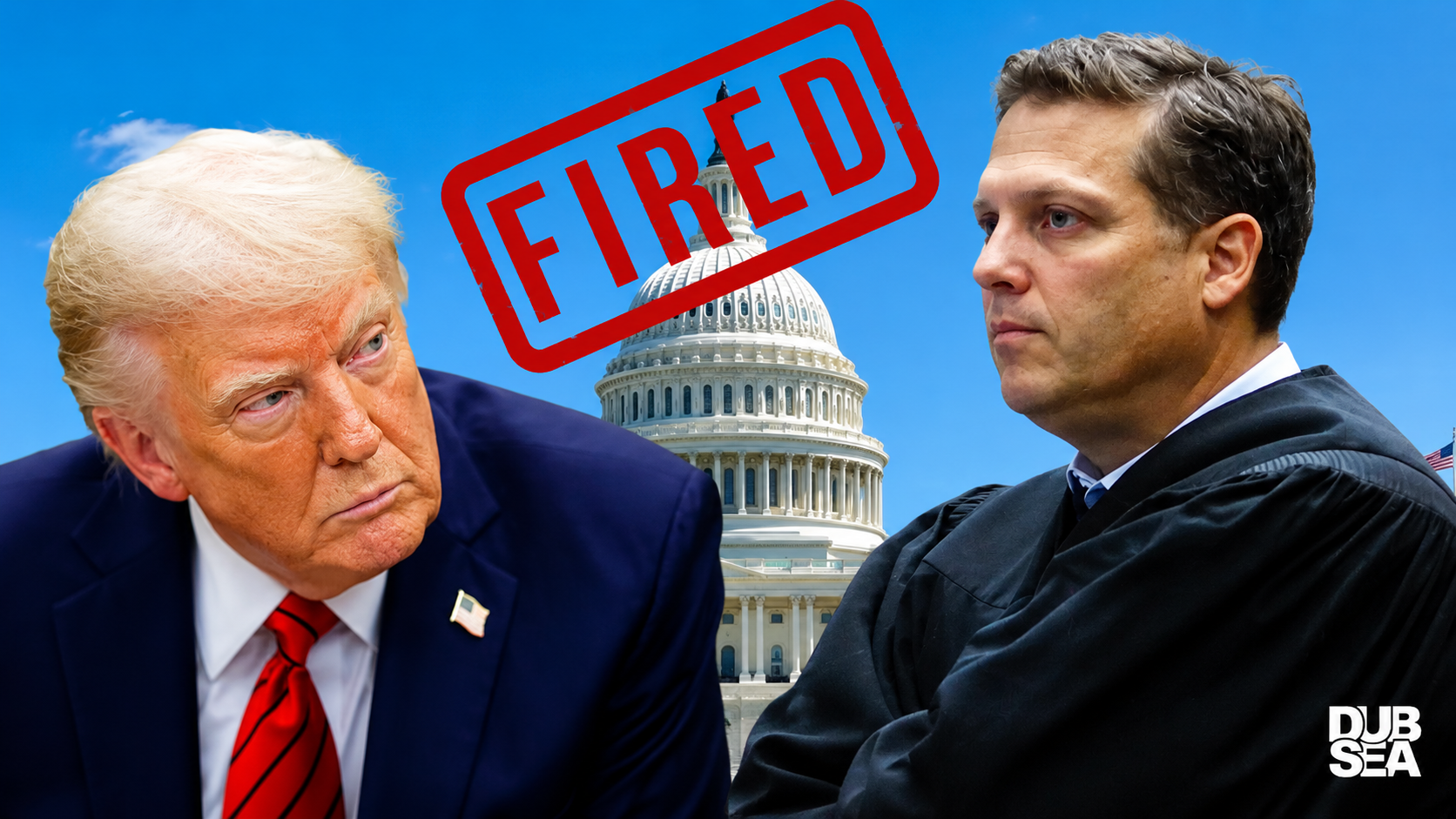
An unprecedented leadership shakeup unfolded in Seattle after President Donald Trump removed newly appointed U.S. Attorney Roger Rogoff less than an hour after he was sworn into office. The abrupt dismissal came shortly after the judges of the U.S. District Court for the Western District of Washington unanimously selected Rogoff to fill the vacancy, setting the stage for what could become a significant legal battle over the authority to appoint and remove federal prosecutors. Rogoff, a veteran federal prosecutor and former King County Superior Court judge, had taken the oath of office early Wednesday morning in Seattle. According to Rogoff, he had barely arrived at the U.S. Attorney’s Office when he received notification from the Trump administration that he had been removed from the position. The move immediately drew national attention and intensified an ongoing dispute between the White House and the federal judiciary over temporary U.S. attorney appointments.
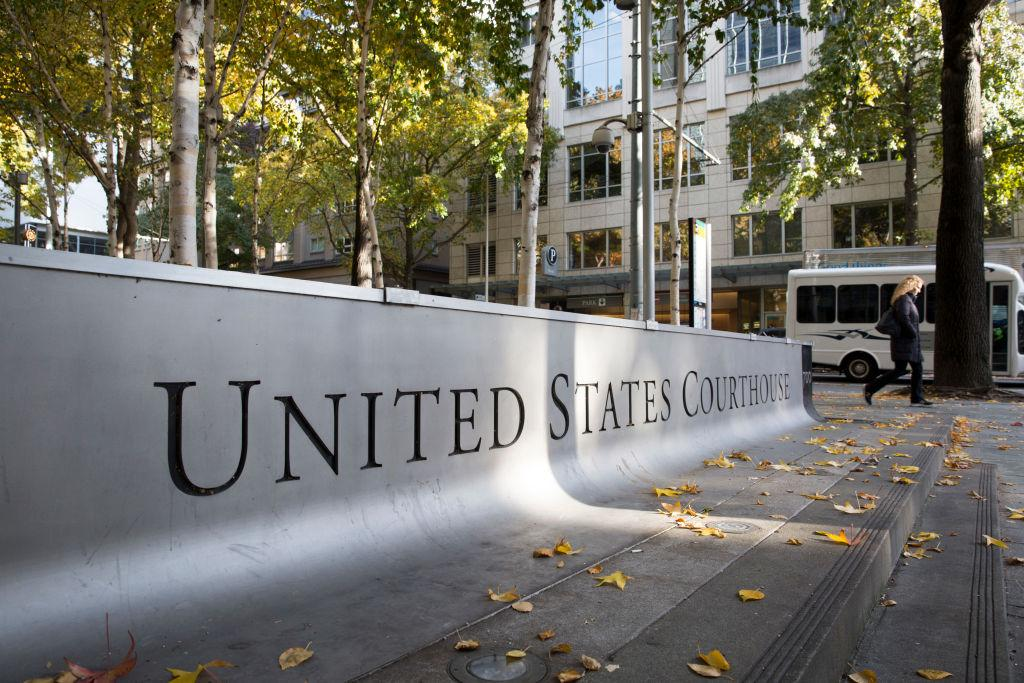
Under federal law, if a U.S. attorney position remains vacant after an interim appointment expires without a Senate-confirmed replacement, district court judges may appoint a temporary U.S. attorney. That is exactly what happened in Seattle after the previous interim appointment reached its legal limit. The panel of 17 federal judges unanimously selected Rogoff, citing his decades of experience as both a prosecutor and judge. His appointment followed a bipartisan review process designed to ensure continuity in one of the Justice Department’s most important regional offices.
The Trump administration defended the firing, arguing that while federal judges may appoint a temporary U.S. attorney under certain circumstances, the president retains the authority to remove that individual. Acting Attorney General Todd Blanche criticized the judges for making the appointment without consulting the administration. Critics, including Senator Patty Murray, called the dismissal unprecedented and argued that Rogoff was lawfully appointed under existing federal law. Rogoff has said he is consulting attorneys and is considering legal action, making the case one that legal experts across the country are expected to watch closely.
The controversy raises broader questions about the balance of power between the executive branch and the judiciary in filling key federal law enforcement positions. Similar disputes over interim U.S. attorney appointments have surfaced in other states, but the speed of Rogoff’s removal less than an hour after taking office has made the Seattle case especially noteworthy. As legal challenges appear likely, the outcome could help clarify the scope of presidential authority over court-appointed federal prosecutors and influence how future vacancies are handled nationwide. For Seattle, the episode marks one of the most unusual moments in the history of the U.S. Attorney’s Office for the Western District of Washington.