
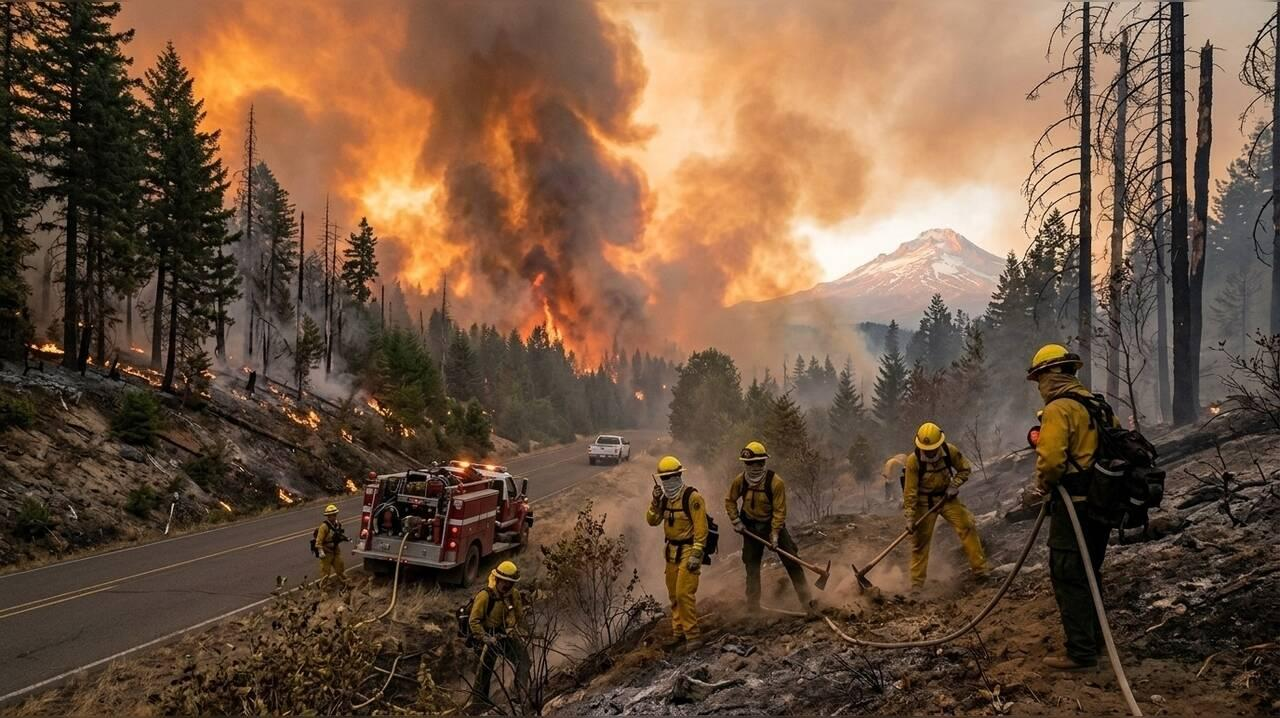
The Pacific Northwest is experiencing one of its most severe wildfire seasons in modern history, with more than 2.2 million acres actively burning across Washington, Oregon, Idaho, and neighboring areas. Fire officials say the region currently represents the largest concentration of wildfire activity anywhere in the United States, stretching firefighting resources to their limits as dangerous heat, drought, and powerful winds continue fueling explosive fire growth.
The Pacific Northwest has become the nation’s primary wildfire battleground, with dozens of major incidents burning simultaneously. The National Interagency Fire Center reports that millions of acres have already burned this season, well above historical averages, while thousands of firefighters, helicopters, bulldozers, and air tankers remain deployed across the region. Washington has been especially hard hit, where multiple fast-moving fires have forced widespread evacuation orders. Eastern Washington has seen some of the most destructive fire behavior in years as prolonged drought, exceptionally dry vegetation, and repeated Red Flag weather warnings created nearly ideal wildfire conditions. Officials warn that the wildfire season is far from over. August traditionally represents the peak of fire season, meaning many fires could continue expanding unless cooler temperatures or widespread rainfall arrive.
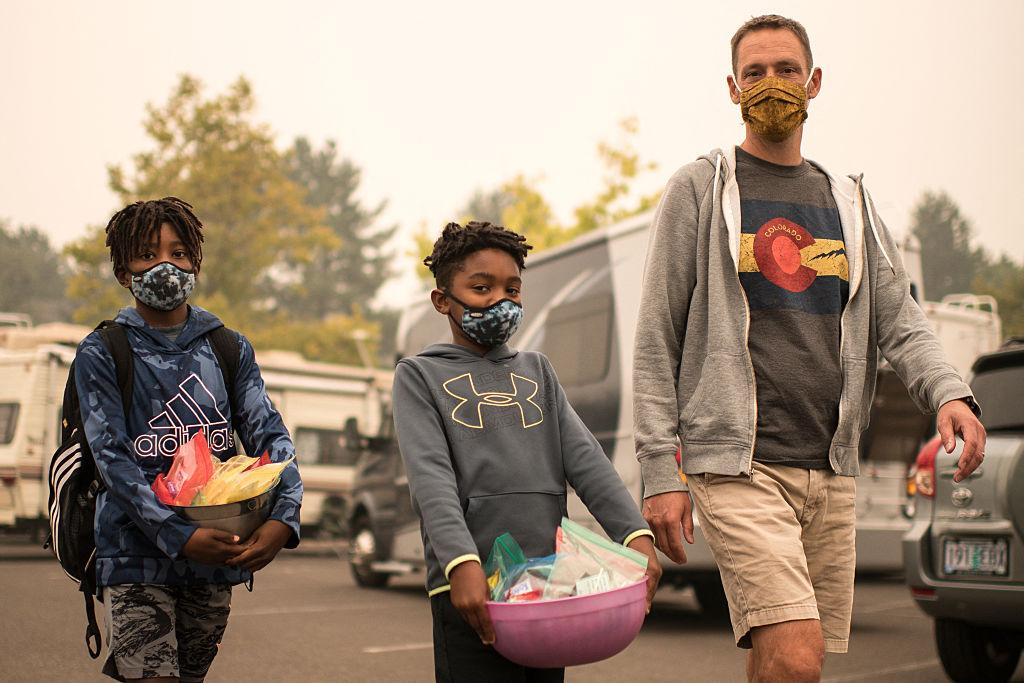
Among the largest disasters unfolding in the Pacific Northwest are the devastating fires around Spokane, Washington. The rapidly spreading Old Trails Fire and several nearby fires have destroyed hundreds of buildings, forced tens of thousands of residents to evacuate, and transformed neighborhoods into burned landscapes. Emergency crews have worked around the clock protecting homes while aircraft continuously dropped water and fire retardant over advancing flames. Authorities also announced the arrest of a suspect accused of intentionally starting one of the fires, adding another shocking development to an already historic disaster. Governor Bob Ferguson declared a state of emergency as firefighters from multiple states joined suppression efforts. Officials continue urging residents to obey evacuation orders immediately, warning that changing winds can cause fires to spread with little notice.
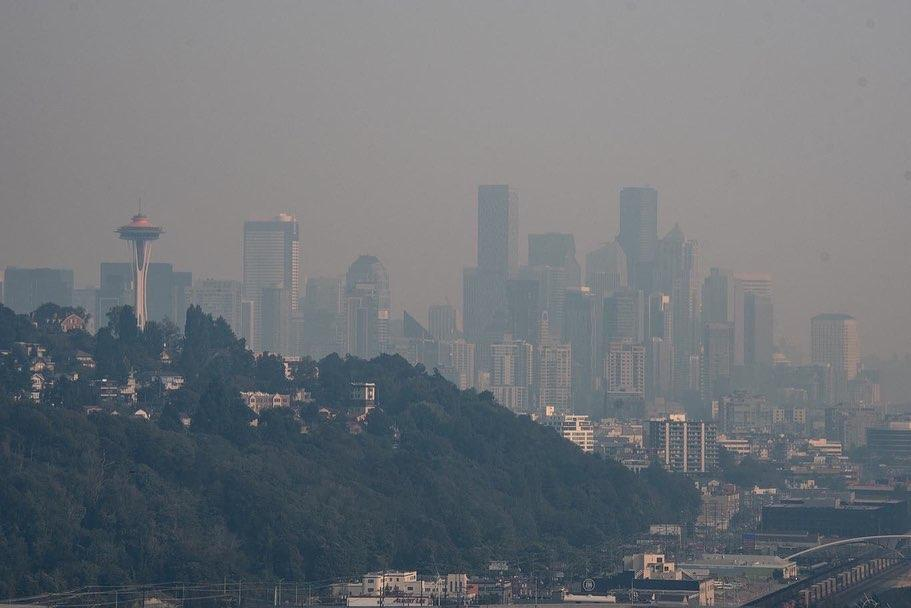
The impact extends well beyond the flames themselves. Massive smoke plumes have spread across much of the western United States, reducing visibility and creating unhealthy air quality in communities hundreds of miles from the fires. Satellite imagery has captured enormous smoke clouds drifting south along the Pacific Coast and into Northern California, prompting air quality advisories for millions of residents. Health officials recommend limiting outdoor activity during periods of heavy smoke exposure, especially for children, older adults, and individuals with heart or lung conditions. Wildfire smoke contains extremely small particles known as PM2.5 that can travel deep into the lungs, making even distant fires a serious public health concern. Air quality conditions may continue changing daily as wind patterns shift across the West.
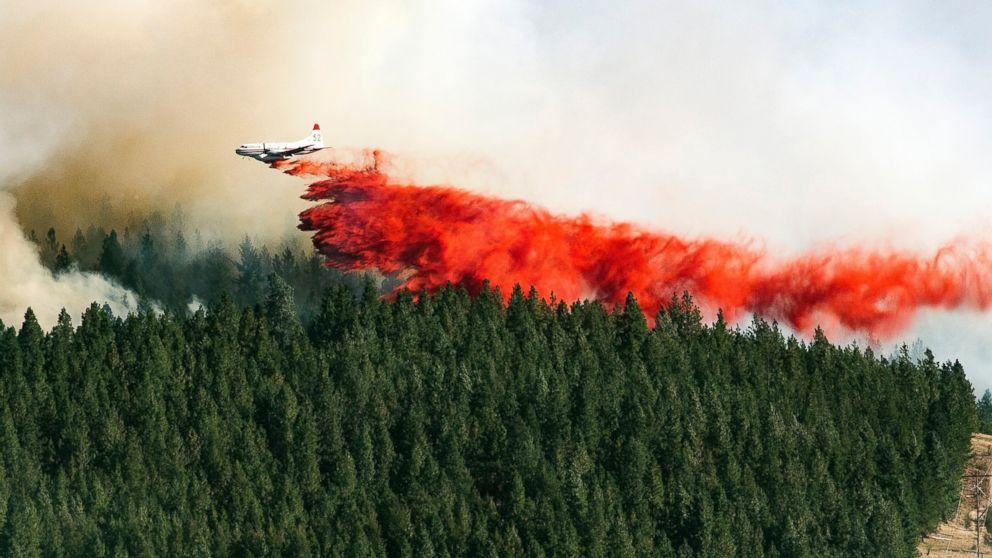
Fire officials say the coming weeks will be critical. Forecasts continue to show periods of hot temperatures, low humidity, and gusty winds that could produce additional rapid fire growth across Washington, Oregon, Idaho, and Montana. Thousands of firefighters remain on the front lines, supported by aircraft, heavy equipment, and emergency management teams working to protect communities while containing existing fires. Emergency officials continue asking residents throughout the Pacific Northwest to stay informed, prepare evacuation plans, and monitor local fire conditions as the wildfire threat remains exceptionally high.
With more than 2.2 million acres actively burning across the Pacific Northwest, the region is experiencing the most significant wildfire concentration in the United States, underscoring both the growing intensity of western fire seasons and the enormous challenges facing emergency responders.
Check Out Our Post on Instagram: