
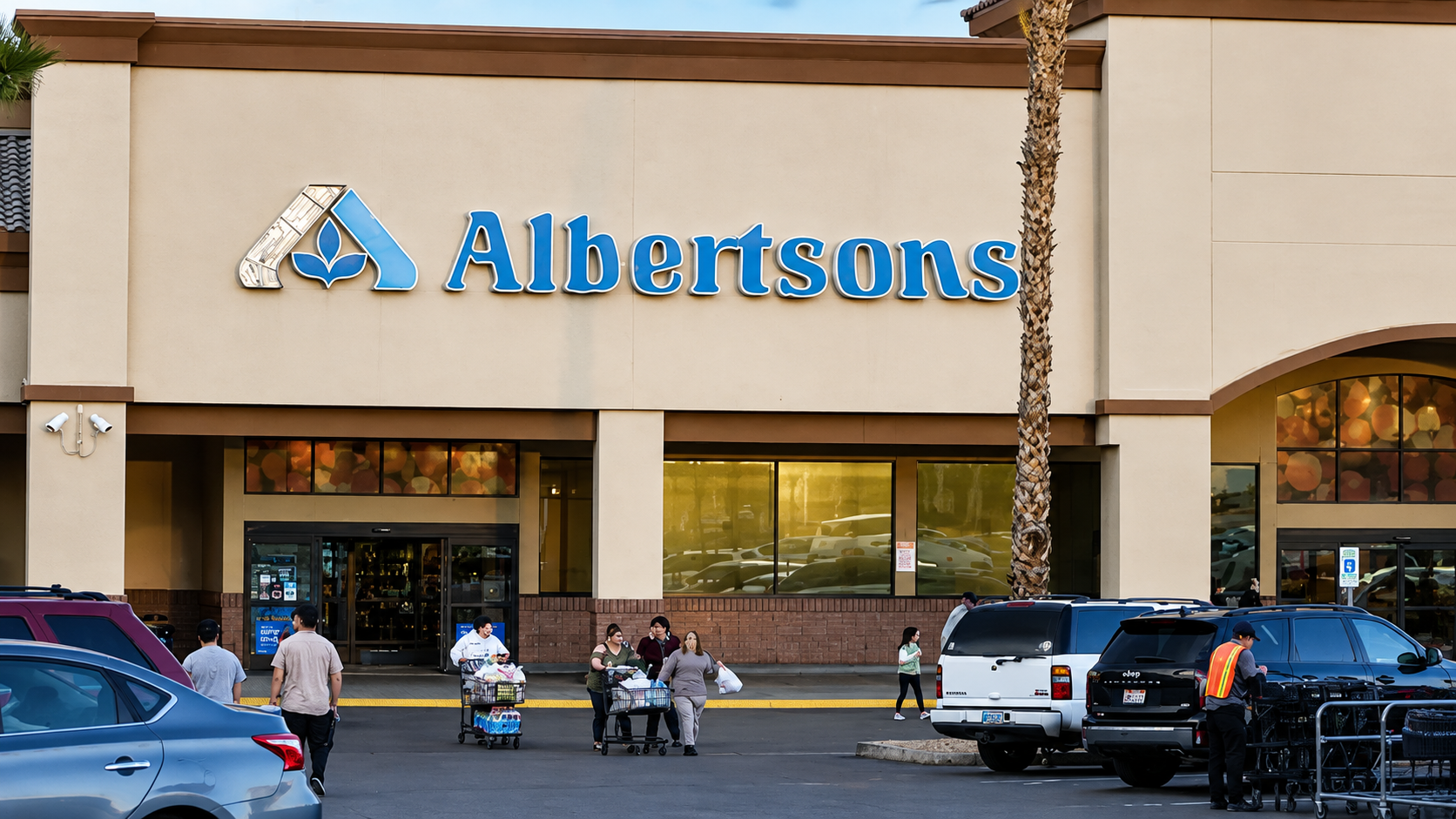
Safeway is closing additional stores as its parent company, Albertsons Companies, continues to reassess its grocery-store network following the collapse of its proposed $24.6 billion merger with Kroger. According to FOX 13 Seattle, Albertsons told USA Today that it had slowed its potential “portfolio optimization” efforts while the Kroger transaction was still pending, but resumed evaluating individual stores after the deal fell apart. The company says that process involves making difficult decisions about locations that may no longer fit its long-term strategy while also opening stores in markets where it sees stronger future demand. Albertsons closed 35 stores during fiscal 2025, more than three times the 10 stores it closed the previous year, and ended fiscal 2025 with 2,244 locations across 35 states and Washington, D.C. The company also opened nine stores during that fiscal year, showing that the strategy is not simply about shutting locations but rather reshaping where the grocery chain operates.
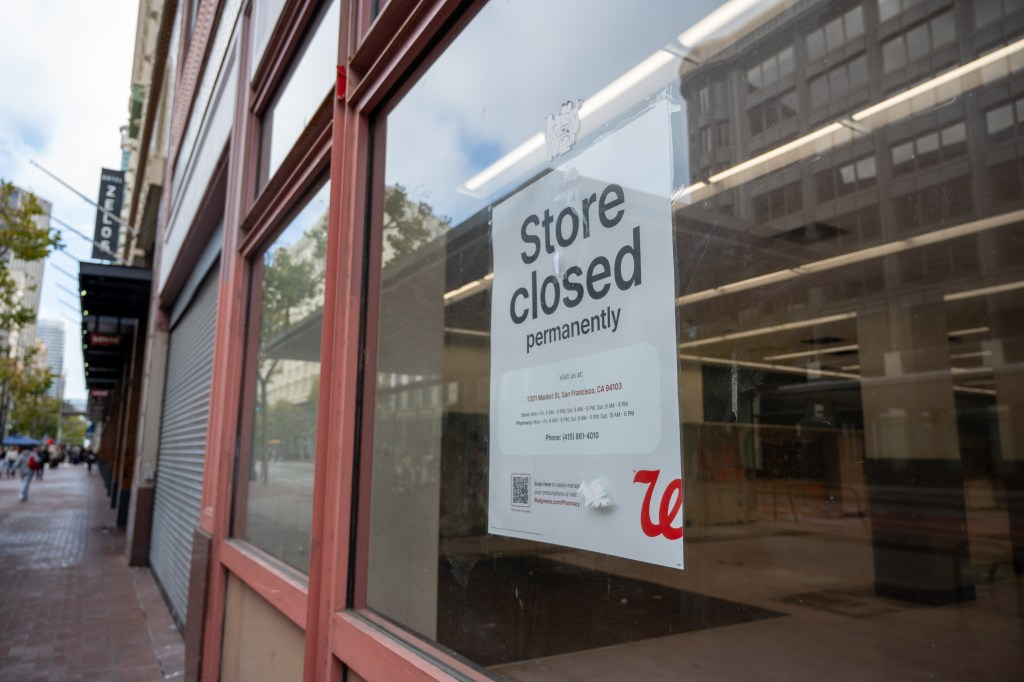
The increase in store closures has had a measurable financial impact on Albertsons. Reported that store closures, after accounting for new openings, reduced the company’s fiscal 2025 sales by approximately $63.4 million. At the same time, expenses connected with closed stores and surplus properties increased substantially, reaching $45.1 million, compared with $15.9 million a year earlier. Albertsons has continued investing heavily in its remaining stores, however, completing 94 remodels and opening nine new locations during fiscal 2025 as part of approximately $1.83 billion in capital expenditures, including investments in digital and technology platforms. The company operates 22 grocery banners, including Safeway, Vons, Jewel-Osco, ACME, Shaw’s and Tom Thumb, and employed approximately 280,000 people as of February 28, 2026. The company has also said it is working to place as many employees affected by closures as possible into positions at other stores.
The current restructuring traces back to the proposed combination of Albertsons and Kroger, which was announced in 2022 and would have created one of the largest grocery companies in the United States. The Federal Trade Commission sued to block the $24.6 billion transaction, arguing that the merger could reduce competition and potentially result in higher grocery prices and fewer opportunities for grocery workers. On December 10, 2024, a federal judge in Oregon granted the FTC’s request for a preliminary injunction, preventing the companies from completing the merger. The proposed combination subsequently collapsed, followed by litigation between Albertsons and Kroger. Albertsons sought a $600 million termination fee from Kroger, while Kroger later filed counterclaims disputing that it owed the payment and accusing Albertsons of undermining the regulatory process. Albertsons has disputed Kroger’s account. The failed transaction left Albertsons to operate independently while reassessing its business, including which stores make strategic and financial sense to keep operating.
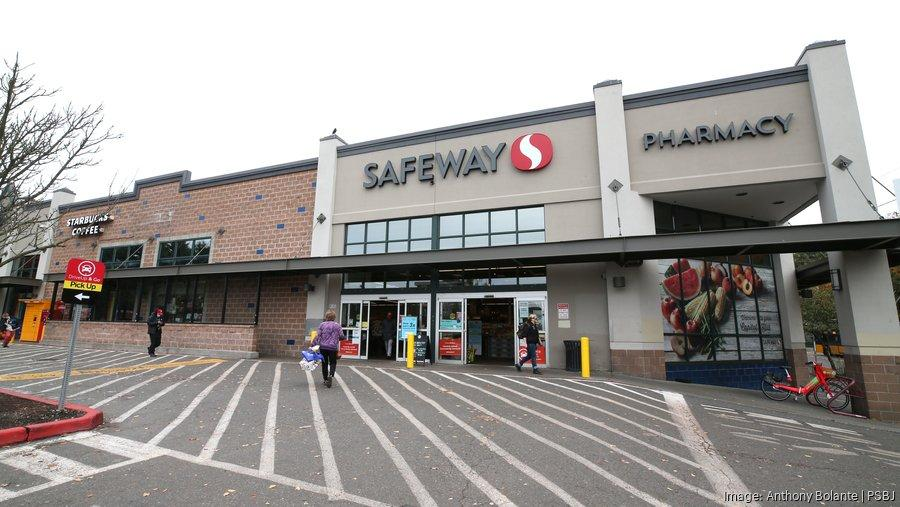
For Seattle-area shoppers, the latest announcement is worth watching even though Albertsons has not released a complete list of additional Safeway closures connected to this latest review. Safeway continues to operate numerous locations throughout Seattle, including stores on 15th Avenue NE, East John Street, East Madison Street, California Avenue SW, Brooklyn Avenue NE, 42nd Avenue SW, 35th Avenue NE and 15th Avenue NW, according to the company’s current store directory. The broader Albertsons strategy appears focused on shifting resources toward locations and markets with stronger long-term potential rather than abandoning the Safeway brand altogether.
For communities that depend heavily on a nearby supermarket, however, individual store closures can have a much larger impact than the numbers suggest, affecting shopping convenience, employees and access to full-service groceries. As Albertsons continues reviewing its portfolio, Seattle shoppers and workers will likely be watching closely for any future announcements about specific stores in the region. For now, the key takeaway is that Safeway’s parent company is still reshaping its footprint after the failed Kroger merger, and more store-level changes remain possible.
Check Out Our Post on Instagram: