
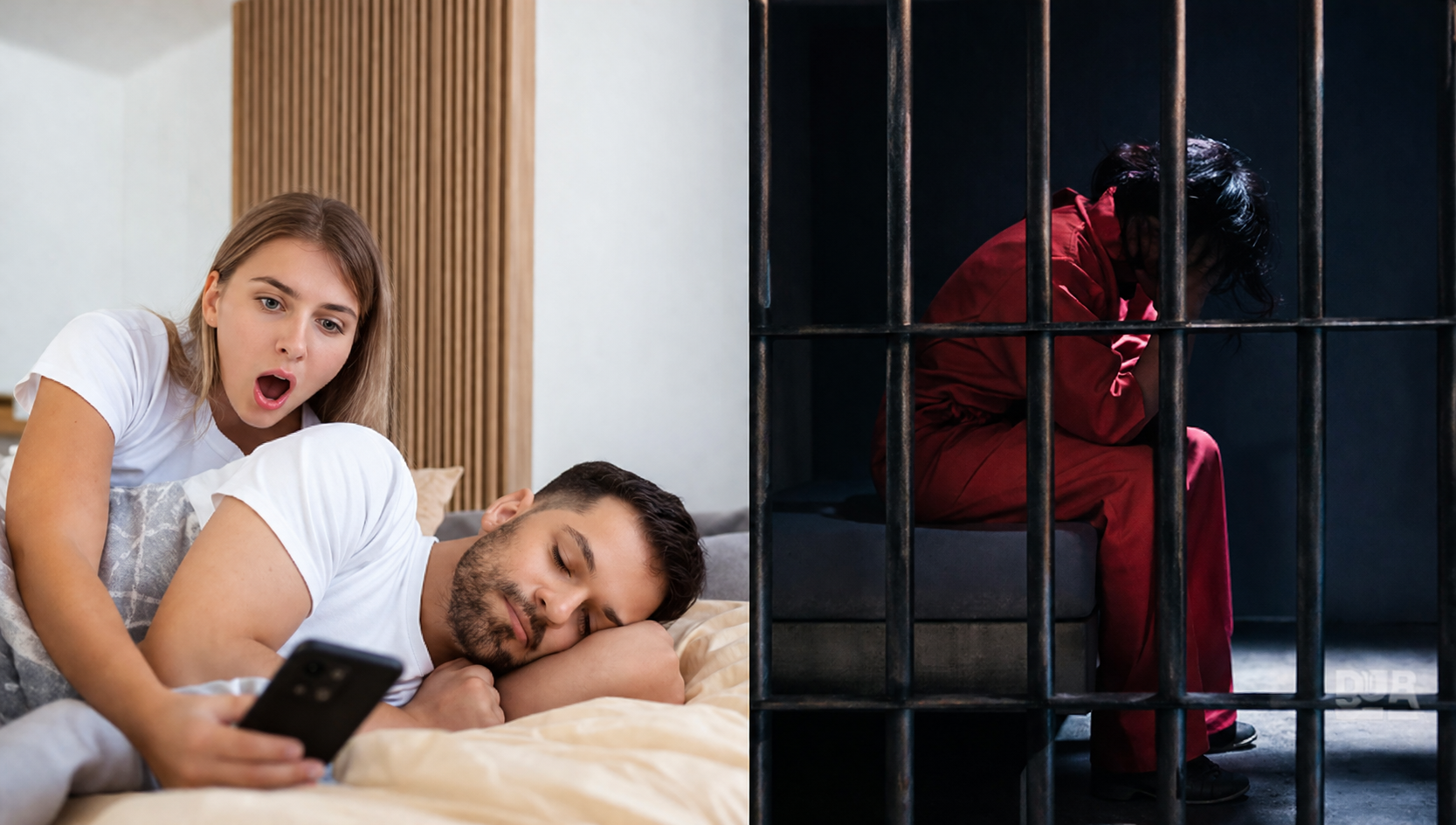
Many people assume looking through a spouse’s or partner’s phone is simply a relationship issue, but in Washington State, it can also become a criminal matter under certain circumstances. Legal experts say that accessing another person’s phone, messages, emails, social media accounts, or other digital information without permission may violate Washington’s computer crime and privacy laws, potentially resulting in misdemeanor or felony charges depending on the facts of the case. While every situation is different, Washington has some of the nation’s strongest privacy protections. Whether the device belongs to a spouse, dating partner, family member, friend, or roommate, unauthorized access can carry serious legal consequences if investigators determine state laws were violated.
Under Washington law, intentionally accessing another person’s electronic device or online accounts without authorization may violate statutes involving computer trespass, electronic communications, or privacy protections. Examples could include unlocking someone else’s phone without permission, reading private text messages, logging into email or social media accounts, or installing software to monitor another person’s activity. The severity of potential charges depends on several factors, including how access was obtained, whether information was copied or altered, and whether financial harm or identity theft occurred. Some offenses may be prosecuted as misdemeanors with charges up to 364 days in jail, while more serious cases involving unauthorized computer access can be charged as felonies, which can lead to up to 5 years in jail.
Washington has long recognized privacy as an important legal right, and state laws provide protections for electronic communications and digital information. Courts often treat smartphones as repositories of highly personal information, including banking records, health information, photographs, private conversations, and location history. Because of the amount of sensitive data stored on modern devices, unauthorized access may expose individuals to both criminal investigations and civil lawsuits, depending on the circumstances. In some situations, evidence obtained unlawfully may also create additional legal issues during divorce, custody, or other court proceedings.
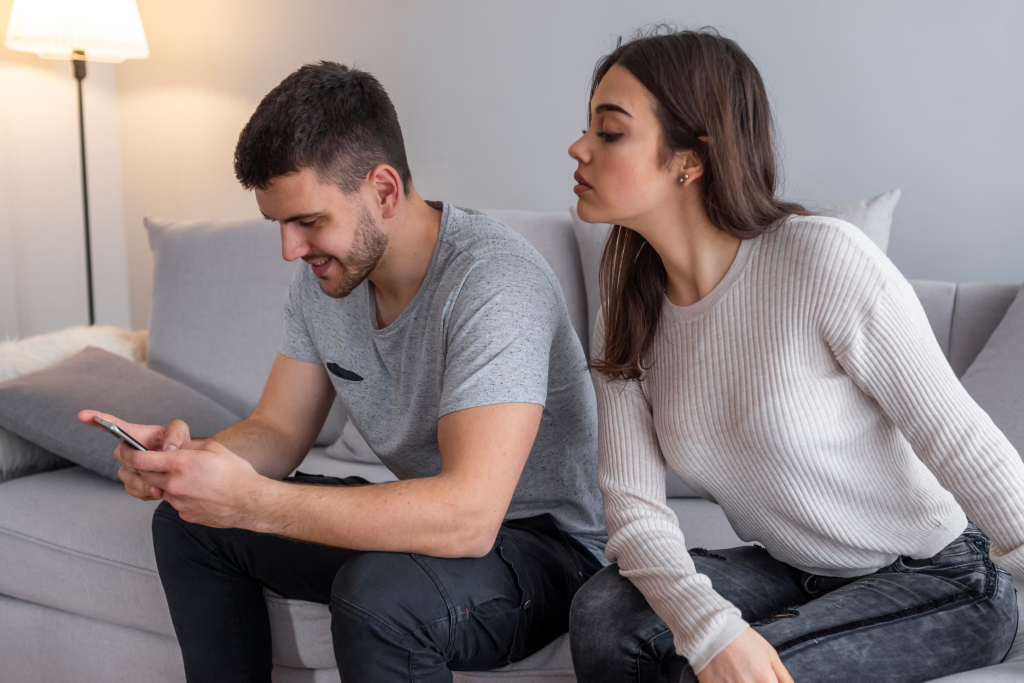
Legal professionals generally advise that concerns about a partner’s phone should be addressed through open communication rather than secretly accessing a device. If someone believes criminal activity has occurred, the appropriate response is to contact law enforcement or seek legal advice instead of attempting to obtain evidence through unauthorized access.
As smartphones continue to store more of our personal lives, Washington’s laws serve as a reminder that digital privacy carries significant legal protections. Understanding those laws can help residents avoid actions that could result in unexpected criminal consequences.
Check Out Our Post On Instagram: