

Washington has confirmed its first reported case of cyclosporiasis during a large multistate outbreak that has sickened thousands across the country. While the case has drawn attention because of the nationwide surge, Washington health officials stress that the state is not currently experiencing its own outbreak, and the confirmed case has not been linked to the active multistate investigations. Cyclosporiasis is caused by the microscopic parasite Cyclospora cayetanensis, which spreads through contaminated food or water and commonly causes prolonged watery diarrhea, fatigue, nausea, stomach cramps, and loss of appetite. Because symptoms often appear several days after exposure, investigators say tracing the source can be especially challenging.
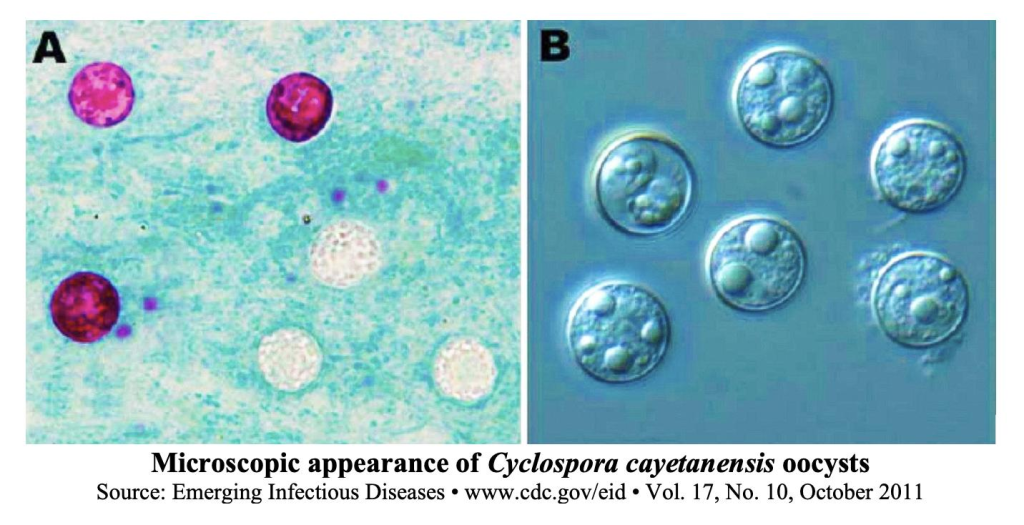
The Centers for Disease Control and Prevention (CDC) and state health agencies are investigating one of the largest cyclosporiasis outbreaks in recent years. Cases have been identified in more than 30 states, and investigators are working to determine whether contaminated fresh produce is responsible. Several produce items including lettuce, cilantro, onions, and cucumbers are being examined, though no single nationwide source has been officially confirmed. Health officials note that cyclosporiasis does not spread from person to person. Instead, infections occur after consuming food or water contaminated with the parasite.

Symptoms typically begin about one week after exposure and may include persistent watery diarrhea, abdominal cramping, bloating, nausea, fatigue, decreased appetite, and weight loss. Without treatment, the illness can last for several weeks or even recur. Doctors can prescribe antibiotics for confirmed cases, but diagnosis usually requires specialized laboratory testing, as routine stool tests may not detect the parasite. Public health experts recommend thoroughly washing fruits and vegetables, practicing good hand hygiene, and contacting a healthcare provider if gastrointestinal symptoms persist for several days.

Although Washington has now recorded a confirmed case, state officials emphasize there is no evidence of a statewide outbreak. Investigators continue to monitor new reports while coordinating with federal agencies as they work to identify the source of the national outbreak.
For now, residents are encouraged to stay informed through updates from the Washington State Department of Health and the CDC, seek medical care if symptoms become severe or prolonged, and continue following safe food-handling practices while the investigation remains ongoing.
Check Out Our Post On Instagram: