
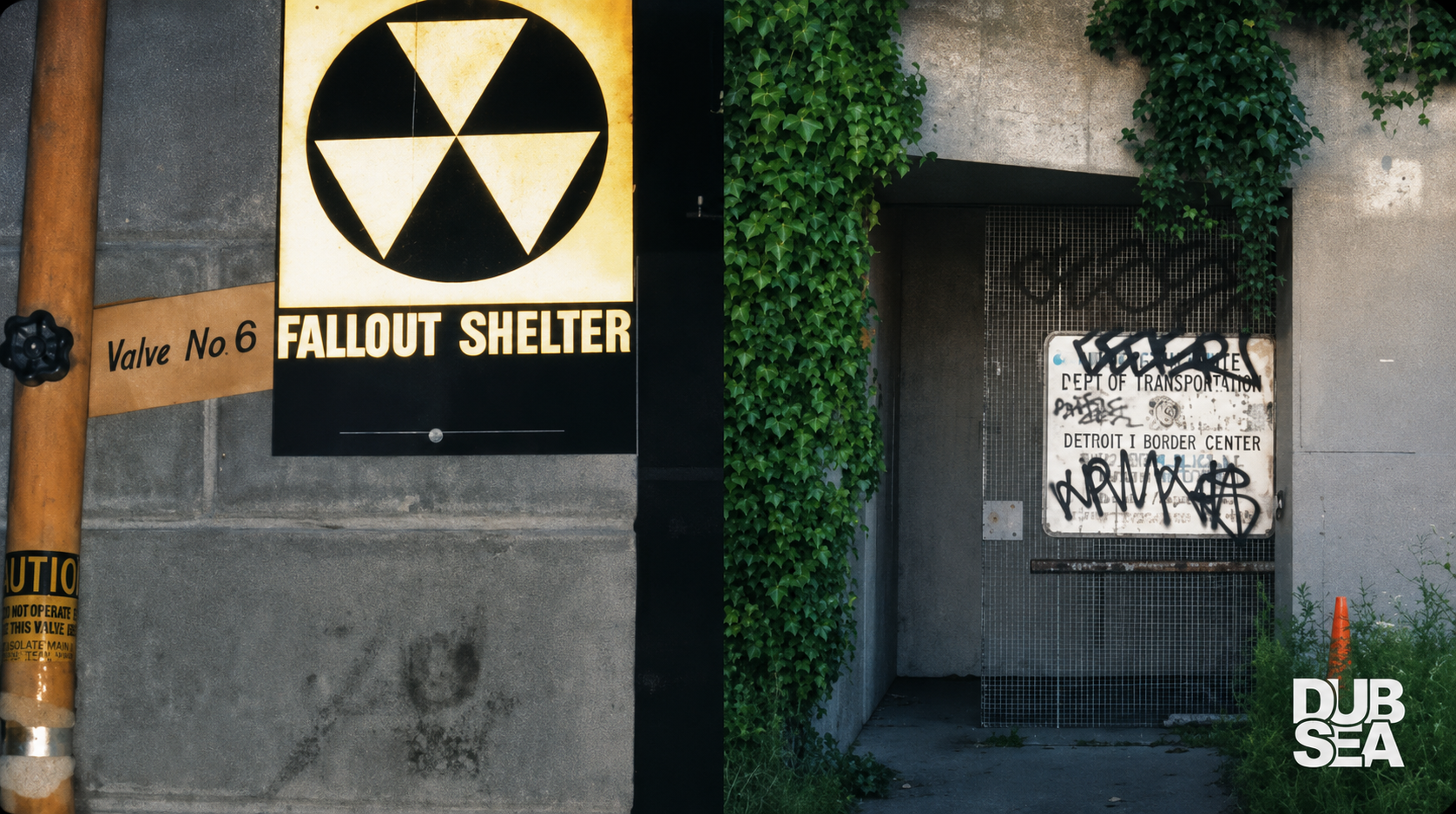
Hidden beneath the quiet streets of Seattle’s historic Ravenna neighborhood is one of the city’s most fascinating Cold War relics—a massive underground fallout shelter built to help government officials survive a potential nuclear attack. Constructed in the early 1960s at the height of Cold War tensions between the United States and the Soviet Union, the bunker was designed as an emergency command center where Seattle and King County leaders could continue operating in the event of a nuclear disaster. While thousands of residents passed overhead for decades without realizing what lay below, the underground facility remains one of the most unusual pieces of Seattle’s Cold War history.
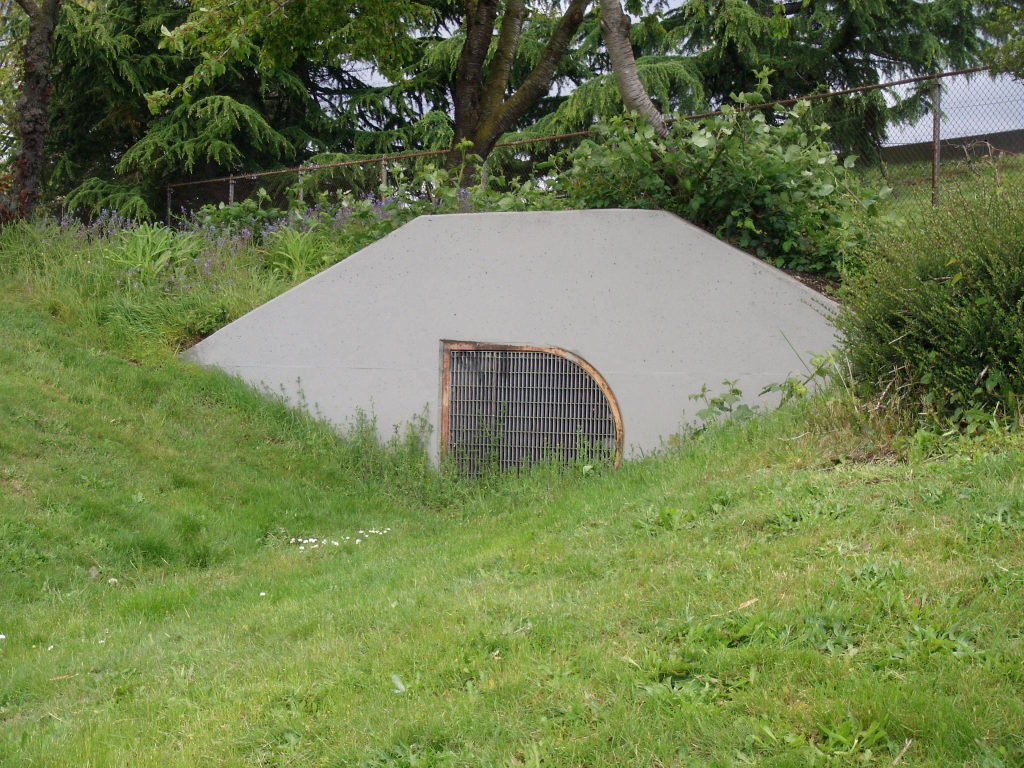
The bunker was constructed during a period when fears of nuclear war led cities across America to invest in civil defense infrastructure. Hidden beneath Ravenna, the reinforced concrete facility was equipped with blast-resistant doors, independent power systems, emergency communications equipment, air filtration systems, food and water supplies, medical resources, and sleeping quarters capable of supporting officials for extended periods. Rather than serving as a shelter for the general public, the underground complex was intended to function as a continuity-of-government facility, allowing key city and county leaders to coordinate emergency response efforts if Seattle’s surface infrastructure became unusable. Similar facilities existed across the country, but Seattle’s bunker has remained one of the Pacific Northwest’s most mysterious Cold War sites.
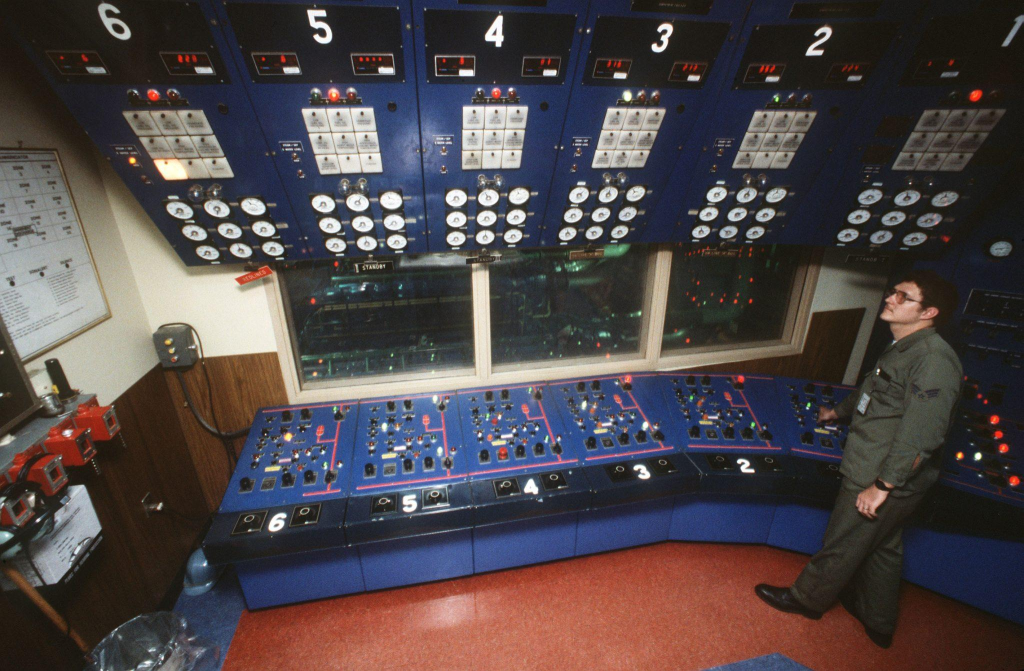
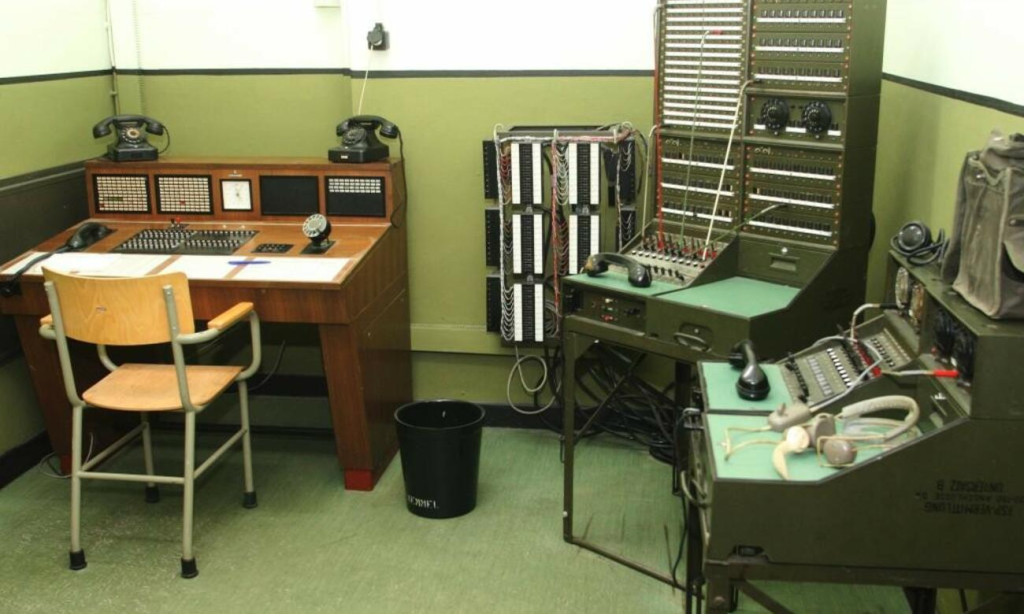
As Cold War tensions eased in the decades that followed, the bunker gradually fell out of regular use. Much of its original equipment remained preserved underground, offering a remarkable snapshot of Cold War-era emergency planning. Over the years, urban historians and preservation enthusiasts have documented the facility, revealing rooms once filled with communication equipment, emergency generators, storage areas, and offices that would have served as Seattle’s backup government headquarters during a national crisis. The bunker has since become a point of interest for local historians because it highlights how seriously officials prepared for the possibility of nuclear conflict during one of the most uncertain periods in modern history. Although many similar facilities across the United States have been demolished or repurposed, Seattle’s underground shelter remains an important reminder of the era’s civil defense efforts.
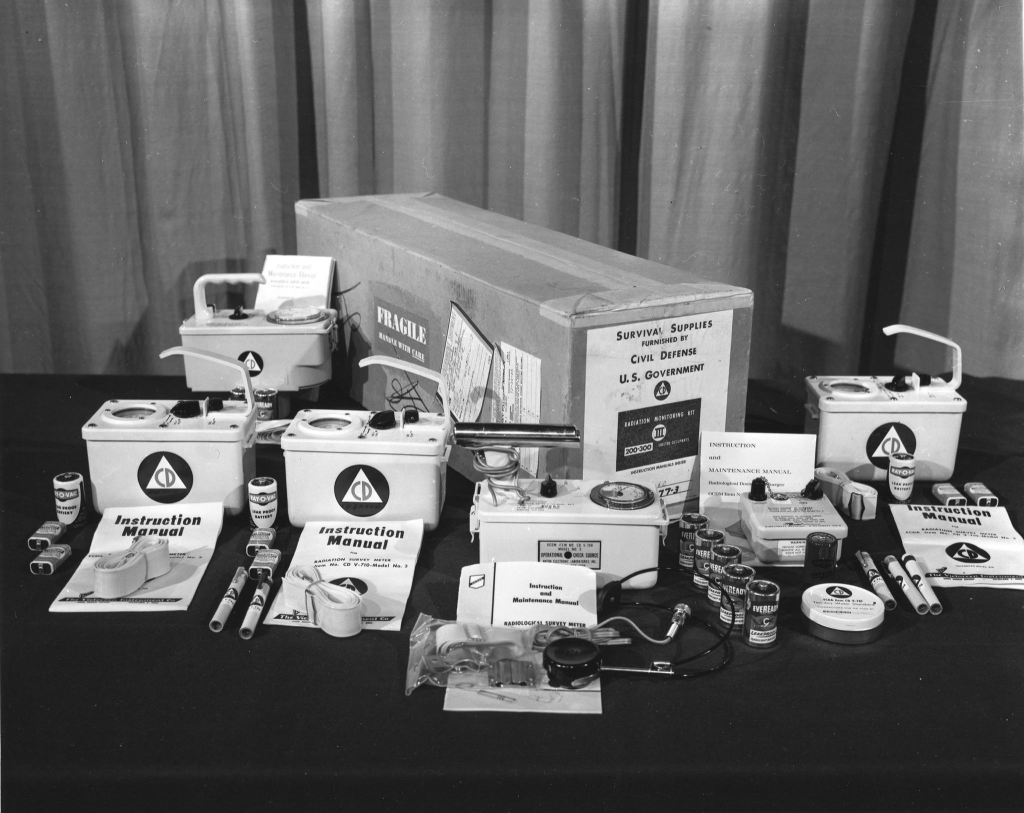
Today, the Ravenna fallout bunker stands as more than just an abandoned emergency shelter—it represents a unique chapter in Seattle’s history and the broader story of America’s Cold War preparedness. While the facility is not regularly open to the public, it continues to capture the imagination of historians, architects, and local residents interested in the city’s hidden past.
As Seattle continues to grow above ground, this remarkable underground structure serves as a reminder of a time when nuclear preparedness shaped urban planning across the nation. Hidden beneath one of Seattle’s oldest neighborhoods, the bunker remains one of the city’s most intriguing historical landmarks and a rare surviving piece of Cold War infrastructure.
Check Out Our Post on Instagram: