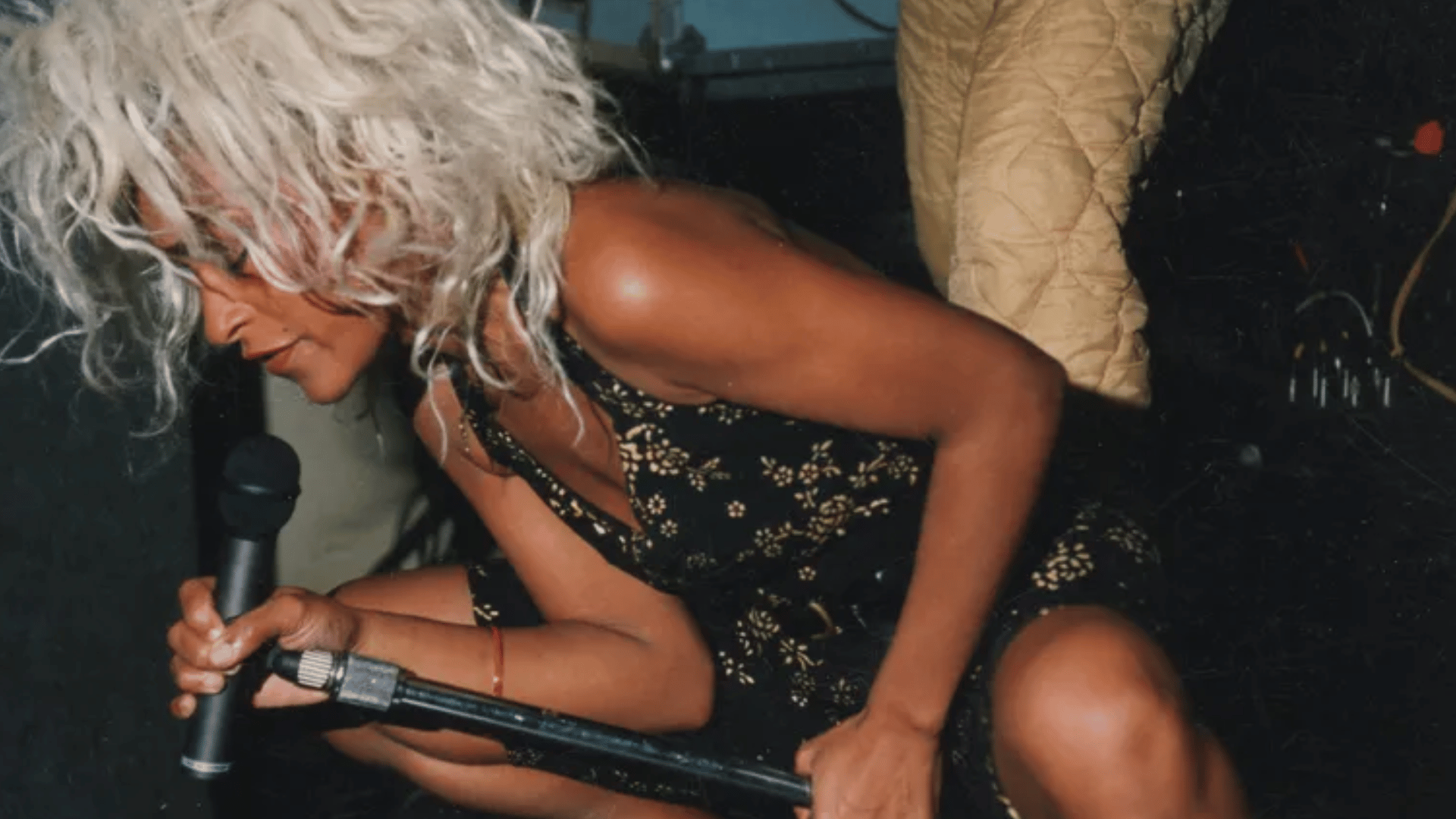
Long before grunge became a global phenomenon, and before Nirvana, Soundgarden, and Pearl Jam brought Seattle to the world stage, Tina Bell was already helping shape the sound. As the frontwoman of Bam Bam, formed in Seattle in 1983, she fused punk, metal, and hard rock at a time when the city’s underground scene was still finding its footing. Her commanding stage presence and fearless vocals helped lay the groundwork for what would later define Seattle’s musical identity.

Despite her talent, Bell faced constant racism and sexism in the 1980s Seattle music scene. Audiences and industry gatekeepers often struggled to accept a Black woman leading a hard rock band in a white male dominated field, and she was frequently overlooked as the grunge genre began to gain attention. She endured racial slurs and hostility at shows and was repeatedly pushed into narrow expectations that Black artists belonged in hip-hop or R&B, not punk or rock. As grunge entered the mainstream, her contributions were largely erased. Only in recent years has there been a real effort to recognize Tina Bell’s influence and restore her place in grunge history.
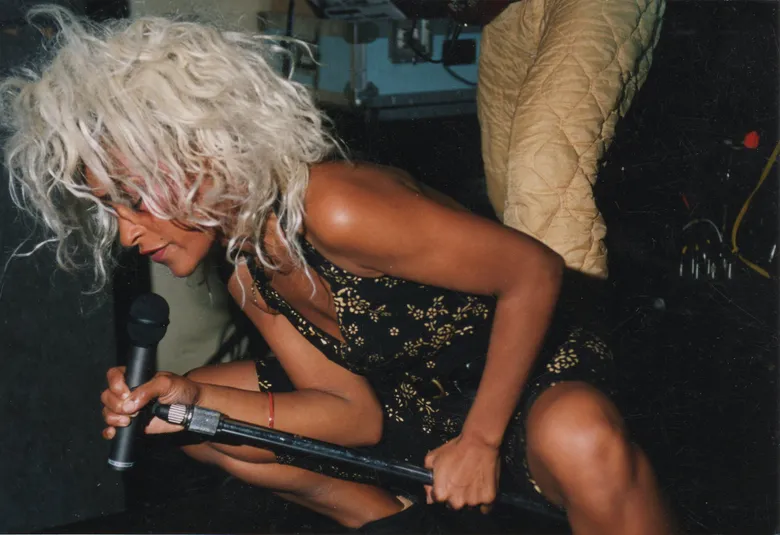
Bam Bam was a regular presence on the stages that shaped Seattle’s underground music scene before grunge had a name. In the early 1980s, the band played at important local venues like The Metropolis, Behind the Grey Door, Gorilla Gardens Rock Theater, and The Central Tavern, spaces where new sounds were being tested in front of small but devoted crowds. They also appeared at larger community events, including the Sounds of Seattle festival at the Mural Amphitheatre and early Seattle Hempfest, helping bring heavier local music to wider audiences. During this time, Kurt Cobain was often around the band and even worked as a roadie for Bam Bam, giving him a firsthand look at their shows before forming Nirvana. Through these performances and connections, Bam Bam became part of the foundation of the scene that would later produce Nirvana, Soundgarden, and Pearl Jam.

Today, Tina Bell is increasingly recognized as a true pioneer of Seattle music, often referred to as the Godmother of Grunge. Her story is a powerful reminder that the roots of Seattle’s sound are deeper and more diverse than history books once suggested. As her music is rediscovered, Tina Bell’s legacy stands as both a correction and a celebration, honoring an artist who helped build a movement without ever getting her due.