
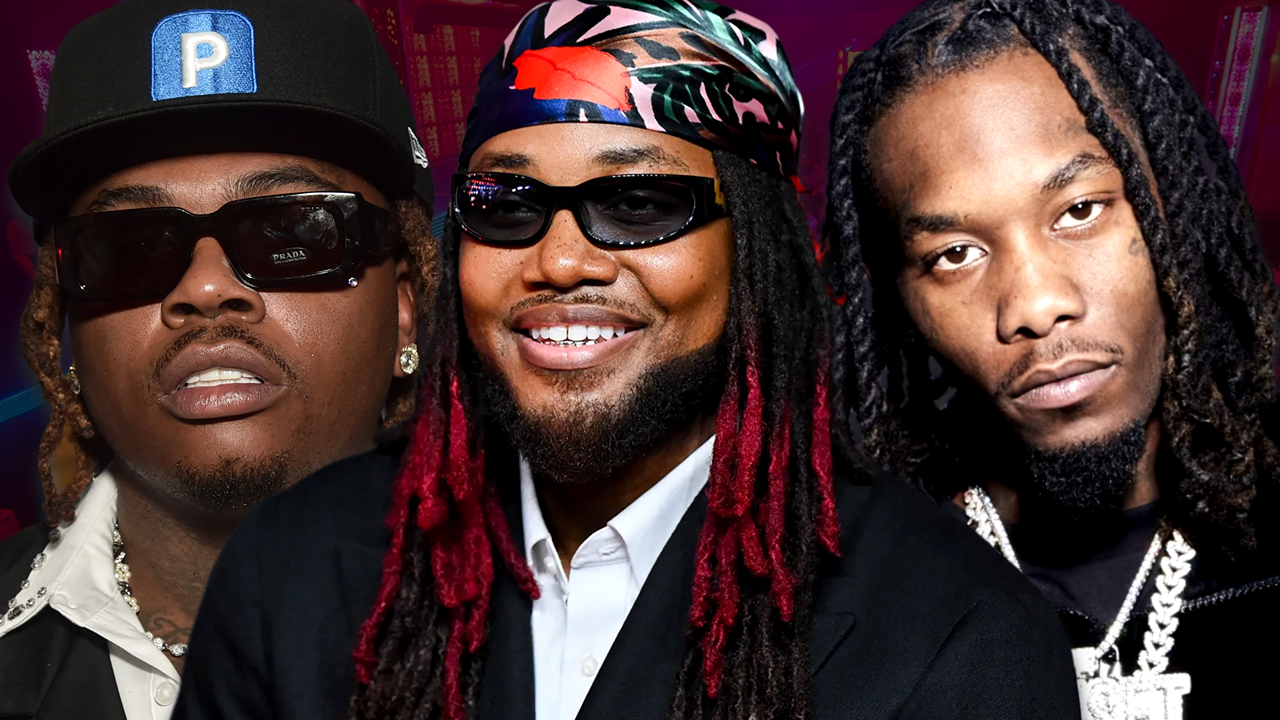
Seattle’s nightlife has been quietly transforming, and the shift is becoming impossible to ignore. Over the past several months, the city has seen a noticeable surge in large-scale celebrity afterparties tied to arena shows, major tours, and festival weekends. What were once low-key, invite-only gatherings are now increasingly visible, ticketed events hosted at some of the city’s most prominent nightclubs.
Venues like Sarajevo, VUE, Trinity, Ora, Supernova, and Monkey Loft have all played host to high-profile late-night crowds, with promoters confirming growing demand for after-show destinations that can accommodate touring entourages, private security, and packed rooms. These aren’t improvised appearances. For many artists, afterparties have become a built-in extension of the tour stop, offering a controlled environment where the night can continue well past the final encore.
Sarajevo Nightclub, in particular, has emerged as a key hub in this movement. Located downtown, the venue has quietly positioned itself as a go-to afterparty stop for major hip-hop tours, recently hosting appearances tied to artists like Offset and Gunna. Its size, modern production setup, and ability to accommodate high-level security have made it an attractive option for touring teams looking for a controlled late-night environment. In a scene where logistics often determine whether an appearance happens at all, Sarajevo’s infrastructure and consistency have helped turn it into a reliable landing spot for rappers passing through Seattle — and a key driver of the city’s growing afterparty circuit.
Several factors are driving this uptick. Structurally, touring has grown more elaborate, and artists are arriving with larger teams and tighter schedules. Afterparties provide a way to consolidate appearances without adding another full performance. Promoters and venues benefit economically as well, leveraging VIP table service, premium ticket tiers, and bottle packages that often dramatically outperform general admission sales. Social media has amplified the trend, turning what once circulated through industry whispers into widely publicized events that draw both fans and press attention.
The city’s nightlife infrastructure has also evolved. Over the past few years, several clubs have upgraded or opened with larger capacities, improved sound systems, professional lighting, and layouts designed for crowd control and security. These improvements make Seattle a more viable stop for touring artists who might have previously skipped late-night appearances in the city. Venues like Sarajevo, VUE, and Trinity now rival spaces in Los Angeles, Miami, or Las Vegas in terms of production and operational capacity, allowing bigger, more visible events to take place.
Seattle’s boom in celebrity afterparties may also reflect a broader cultural shift, not just a local phenomenon. Across the country, cities are seeing touring artists and celebrities extend their nights beyond traditional concert hours, turning afterparties into an expected part of the entertainment ecosystem. Social media visibility, VIP-driven revenue models, and upgraded nightlife venues are creating a national pattern where late-night, celebrity-centered events are increasingly standard.
The trend hasn’t gone unnoticed by city officials and nearby residents, with discussions around after-hours regulation and public safety beginning to resurface. Still, for now, the scene shows little sign of slowing. For nightlife fans, it means more access to high-profile, celebrity-adjacent nights. For venues, it’s a chance to boost revenue and showcase upgraded spaces. And for Seattle itself, it marks a transformation in the city’s late-night culture — one where the night doesn’t simply end after the last note, but continues deep into the early hours, fueled by the draw of stars and the rising quality of the venues that host them.