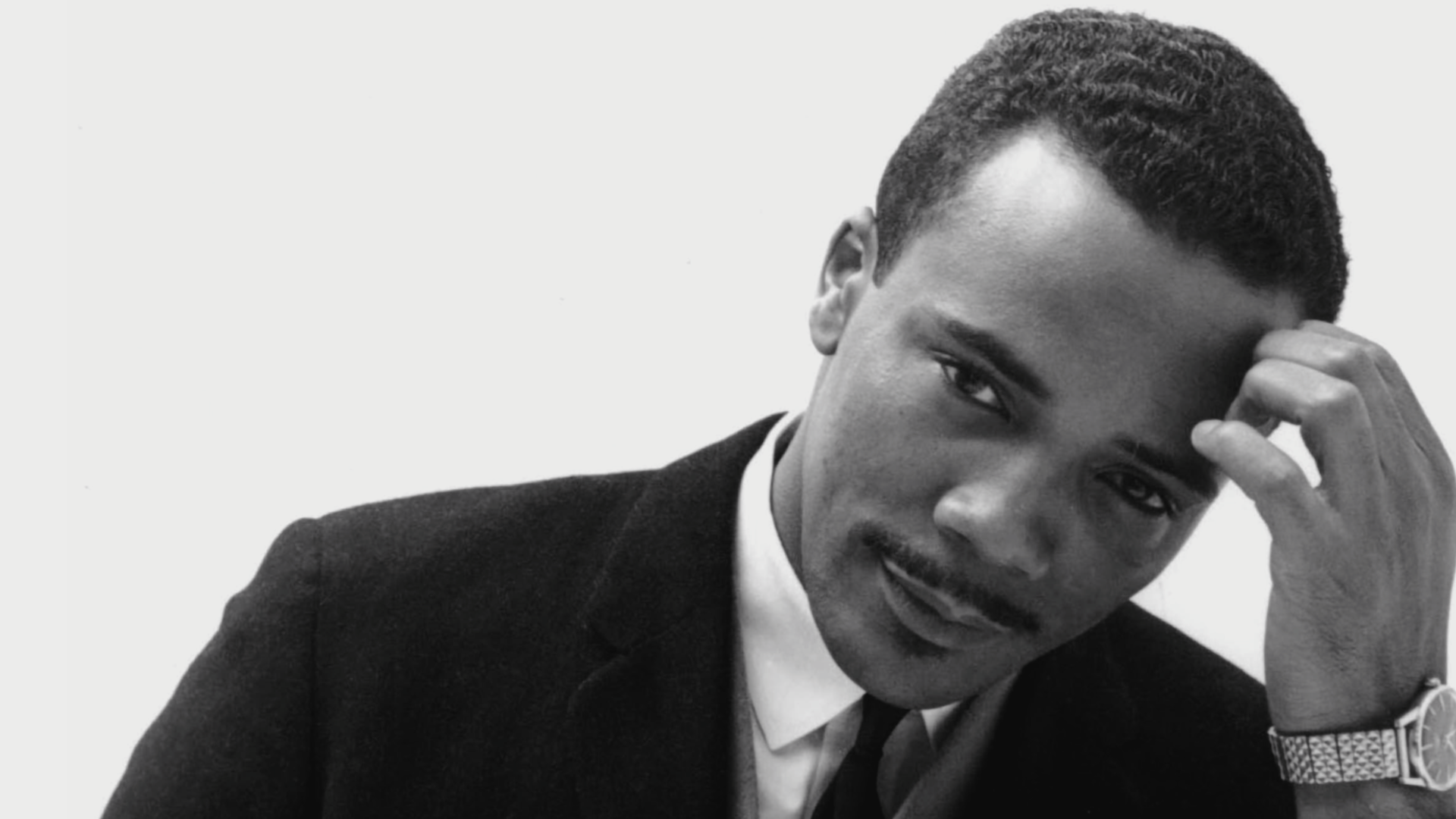
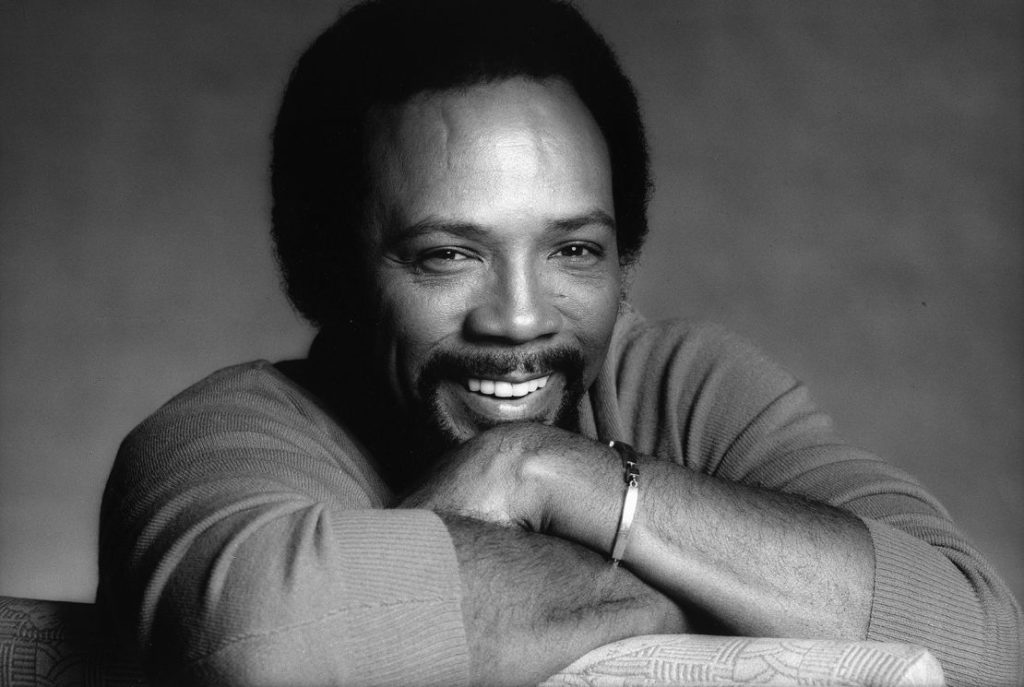
Before Quincy Jones became one of the most influential figures in music history, his story in Seattle was already taking shape.
Born in Chicago, Quincy moved to Seattle in 1947 at just 10 years old. While attending Garfield High School, he immersed himself in the school’s music programs, joining orchestra, choir, and band while focusing on the trumpet. His talent stood out early. He didn’t just play music, he helped lead it, serving as the student director of the school’s swing band and learning how to arrange and shape sound.
Quincy often credited Garfield’s public music program and the Seattle music community for giving him access, mentorship, and the confidence to push further. That impact is still recognized today, with Garfield’s performing arts center named the Quincy Jones Performing Arts Center in his honor.
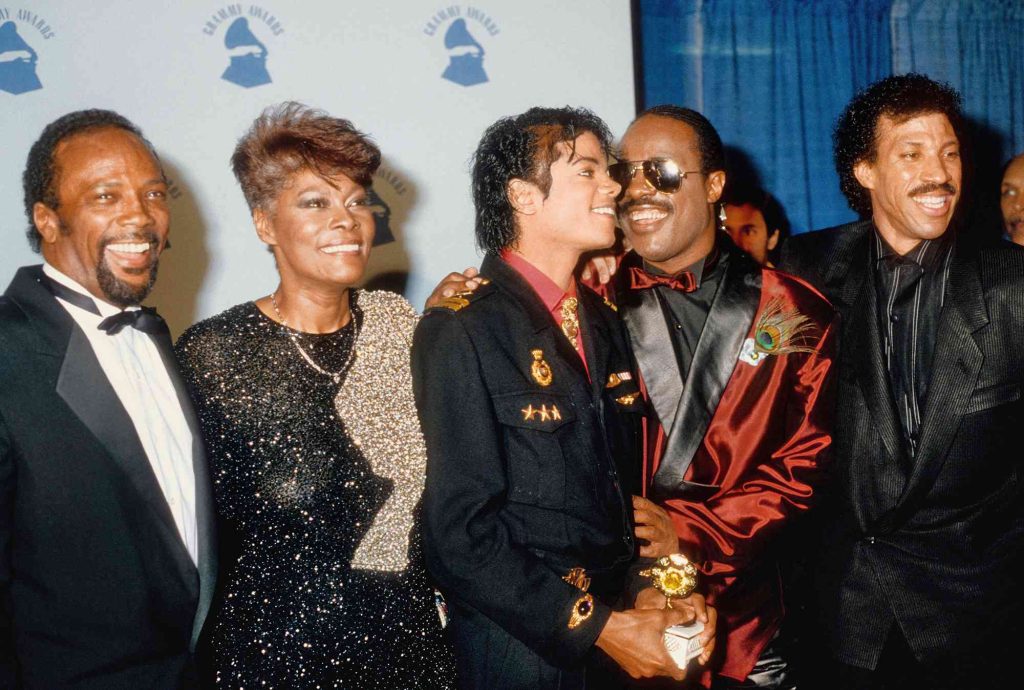
By his early 20s, Quincy’s career began to take off. His ability to move between genres opened doors that few others could access at the time. Jazz, soul, pop, film, and television all became part of his world. His early work in television scoring and production led to landmark collaborations and projects, including his work with Michael Jackson, Frank Sinatra, Aretha Franklin, Snoop Dog and later film franchises like Austin Powers and Fresh Prince of Bel-Air.
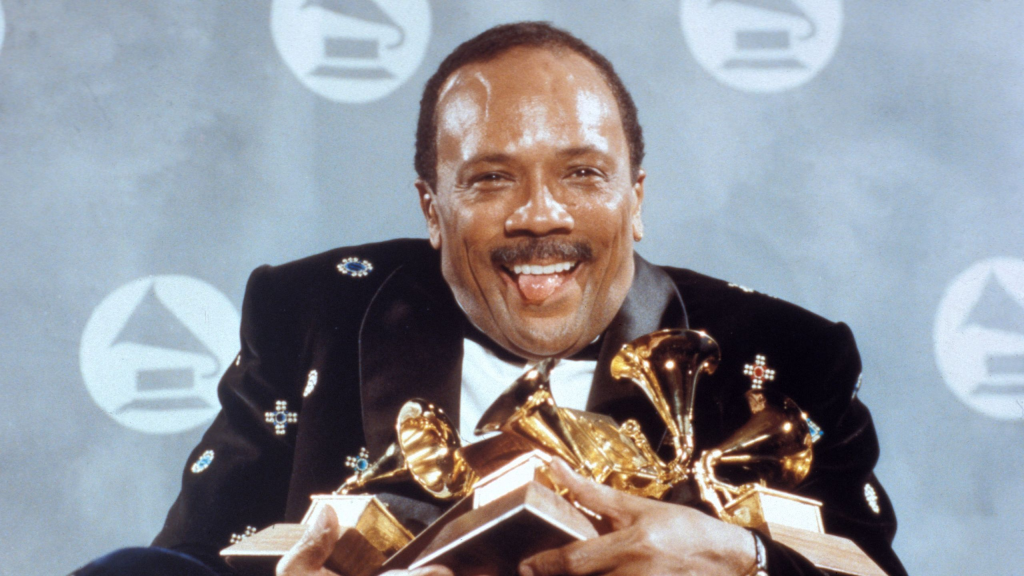
Over the decades, his influence only grew. With 28 Grammy wins, Quincy Jones ranks as the fourth most nominated artist in Grammy history, a reflection of both his longevity and range.
Today, Quincy Jones is known not just as a legendary producer, but as a humanitarian and cultural architect. His Seattle roots remain a crucial part of his story, proving that the city has long been a launchpad for global talent. From the classrooms of Garfield High School to shaping the sound of popular music worldwide, Quincy Jones stands as one of Seattle’s most important and lasting legacies.