
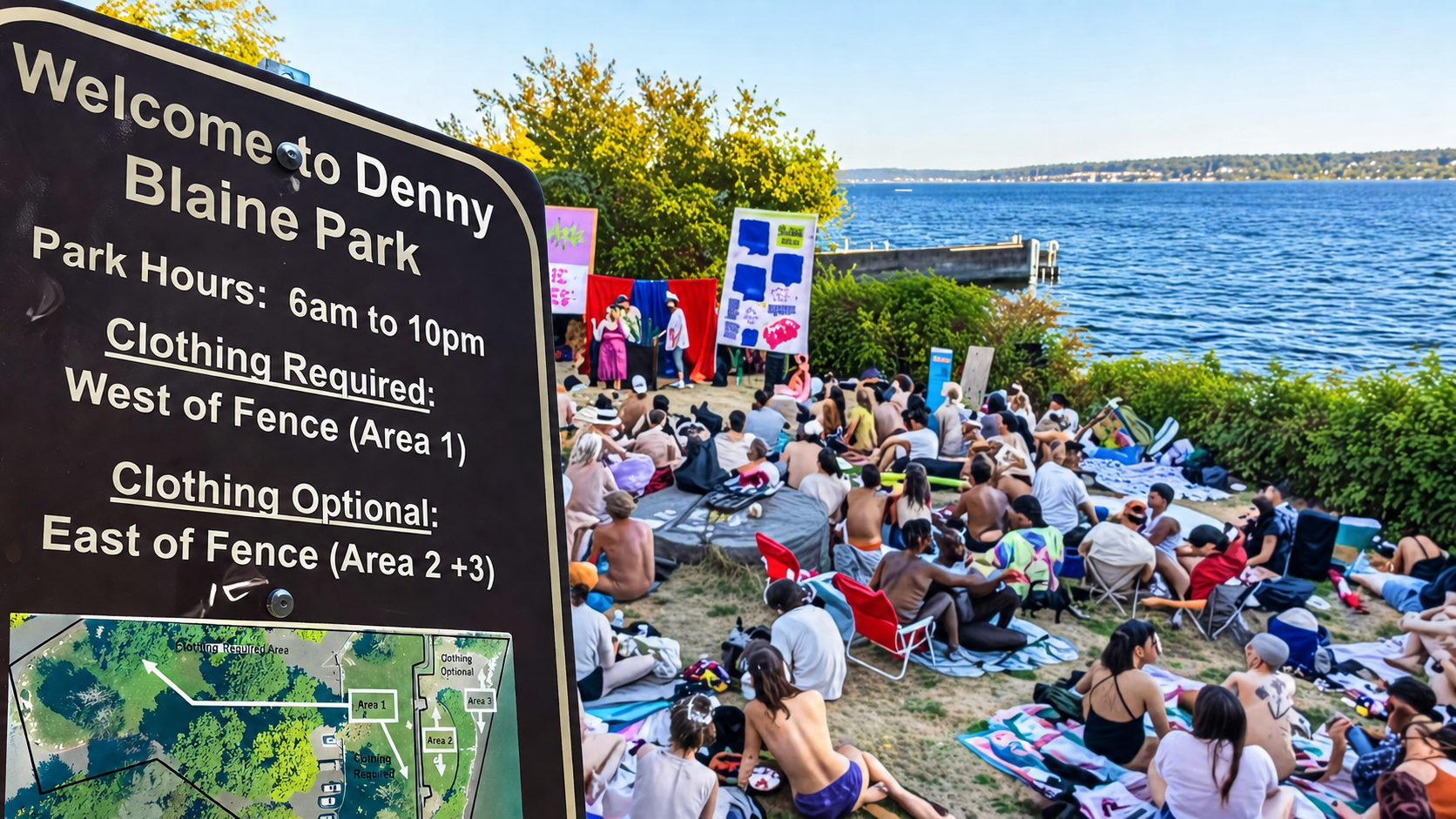
Seattle Parks and Recreation is moving forward with new park-specific rules for Denny Blaine Park as the city responds to a lengthy legal and community dispute surrounding the Lake Washington waterfront property. The department is calling the proposed policy Supplemental Use Guidelines, designed to clarify acceptable and prohibited behavior while recognizing the park’s longstanding clothing-optional use. The two-acre park has become one of Seattle’s best-known clothing-optional gathering places and has particular significance for the city’s LGBTQ+ community. Under the current court-ordered arrangement, the park is divided into clothing-required and clothing-optional areas, with a visual barrier separating portions of the property. The new guidelines are being developed following a July 15, 2026, ruling by King County Superior Court Judge Samuel Chung. The judge allowed Denny Blaine Park to remain open but ordered Seattle to take additional steps to address conditions the court determined constituted a public nuisance.
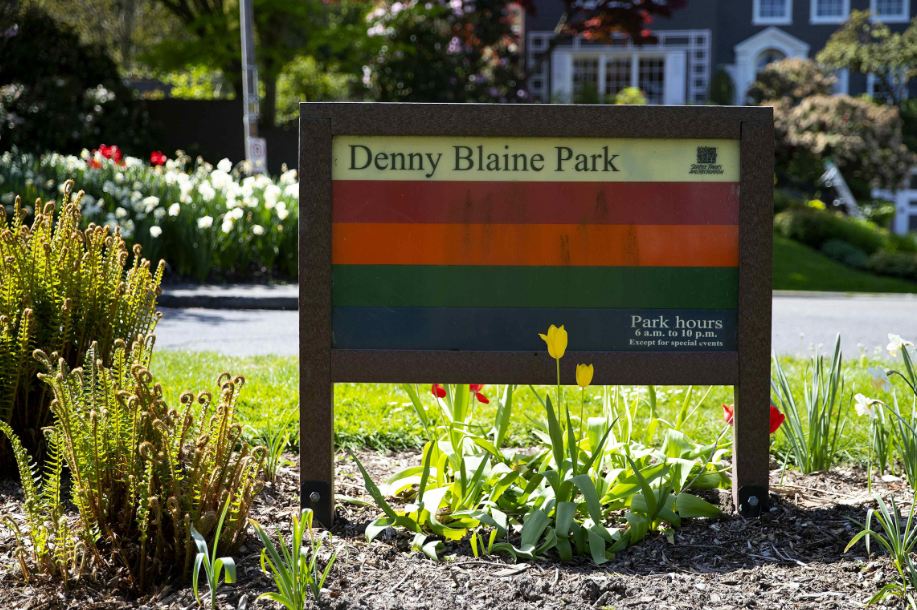
The proposed guidelines are intended to establish clearer expectations for people using the park. Seattle Parks says the policy will distinguish lawful clothing-optional recreation from prohibited conduct and reinforce rules that already apply throughout Seattle’s park system. Several important elements are already dictated by the court and therefore are not simply up for negotiation through the current rulemaking process. These include the existing clothing-optional and clothing-required areas, the boundary separating them, visual screening between areas, permission for toplessness throughout the park, and minimum requirements for Park Ranger and maintenance visits. The city is also required to improve screening so that clothing-optional portions are less visible from neighboring properties. Seattle Parks says it hopes eventually to replace the existing barrier with a more natural and integrated landscaping solution. The guidelines will also reinforce prohibitions on activities including sexual acts, lewd conduct, harassment, public urination or defecation, and other behavior prohibited under Seattle Parks rules.
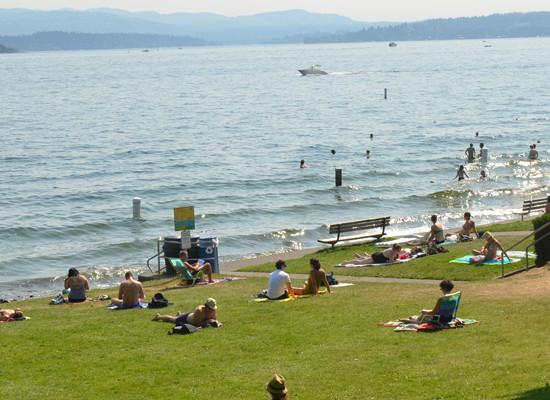
The latest policy effort follows years of disagreement between nearby residents, park users, the city and advocates for Denny Blaine’s clothing-optional and LGBTQ+ history. Neighbors who brought the lawsuit argued that the city had failed to adequately address alleged sexual and other illegal activity at the park. The dispute previously led to a court-ordered abatement plan in 2025 that introduced signage, additional Park Ranger presence, a visual barrier and designated clothing-optional and clothing-required areas. At the 2026 trial, the city and park advocates argued that the park could remain a welcoming clothing-optional space while illegal behavior was addressed. The court ultimately declined to close the park, but ordered additional measures to address the nuisance concerns. Seattle has emphasized that lawful nudity and prohibited sexual behavior are separate issues. The city has also said it wants to preserve Denny Blaine’s historical significance to queer communities while making the park safer and more welcoming for both visitors and surrounding residents.
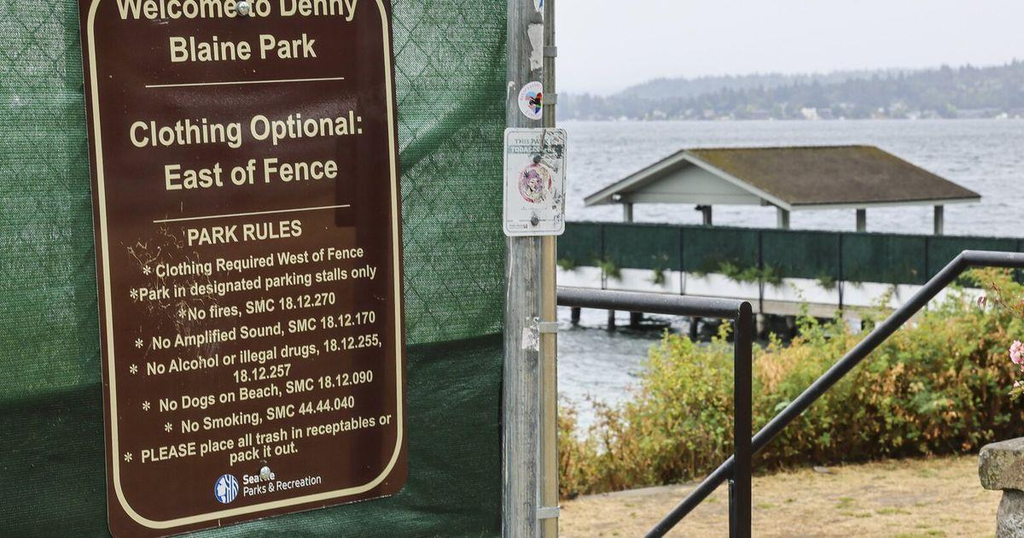
The next phase will give Seattle residents, park users and nearby neighbors an opportunity to weigh in before the supplemental guidelines are finalized. Seattle Parks will hold an in-person community meeting on September 15 at 6 p.m. at Miller Community Center, followed by a virtual meeting on September 17 at 6 p.m. Written comments will be accepted through October 5, with the formal 14-day public comment period expected to run from September 21 through October 5. The city is also working on a separate long-term site improvement plan. That process could examine better signage, landscaping, seating, trash cans, possible restroom options and transportation and parking issues. Seattle Parks also wants the long-term design to acknowledge Denny Blaine’s queer history. Another planned step is a Community Liaison Program intended to help educate visitors about the new guidelines and encourage positive use of the park. The city says it plans to work with a partner trusted by park users and experienced in working with queer communities.
For now, Denny Blaine Park remains open. The debate is shifting from whether the park should exist as a clothing-optional space to how Seattle can balance that longstanding use with court-ordered requirements, neighborhood concerns, safety and the park’s future.